
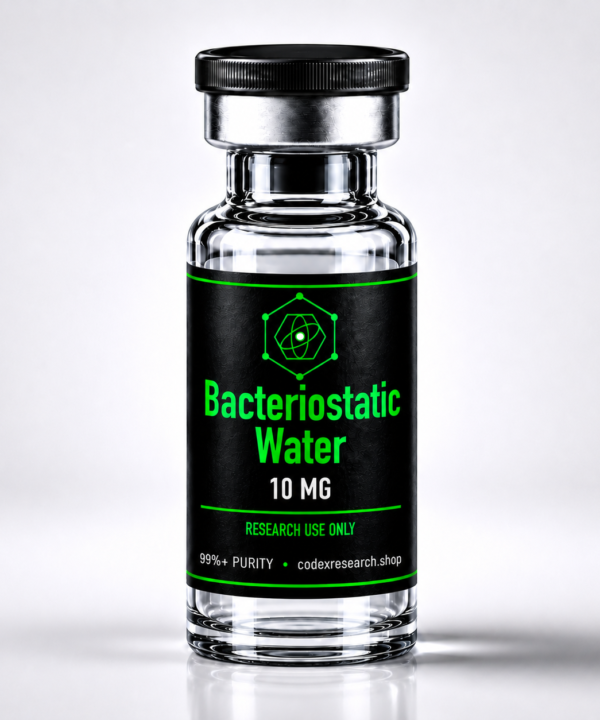
Research Peptides
Bacteriostatic water is sterile water containing 0.9% benzyl alcohol — the standard solvent used to reconstitute lyophilized research peptides for in-vitro handling and storage.
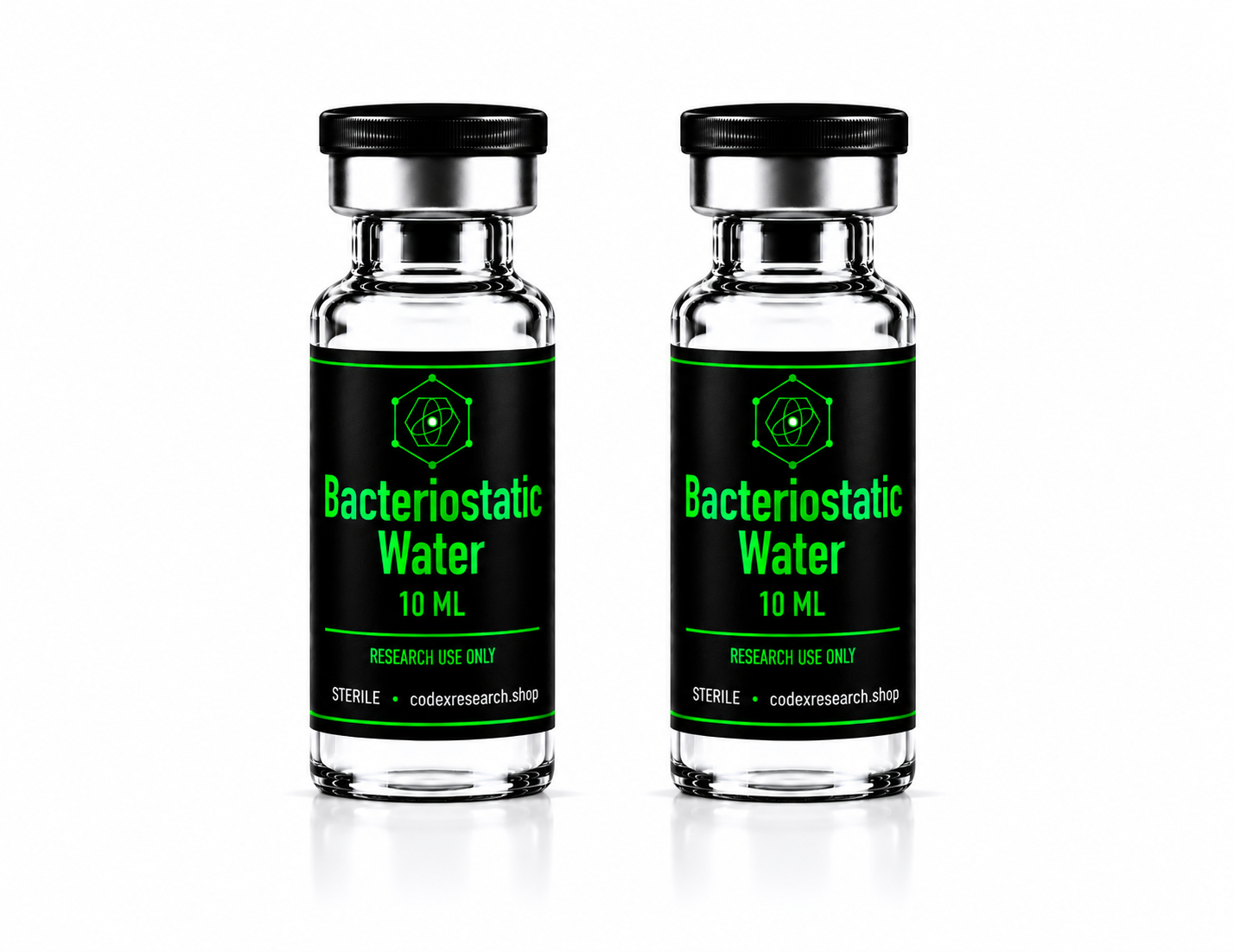

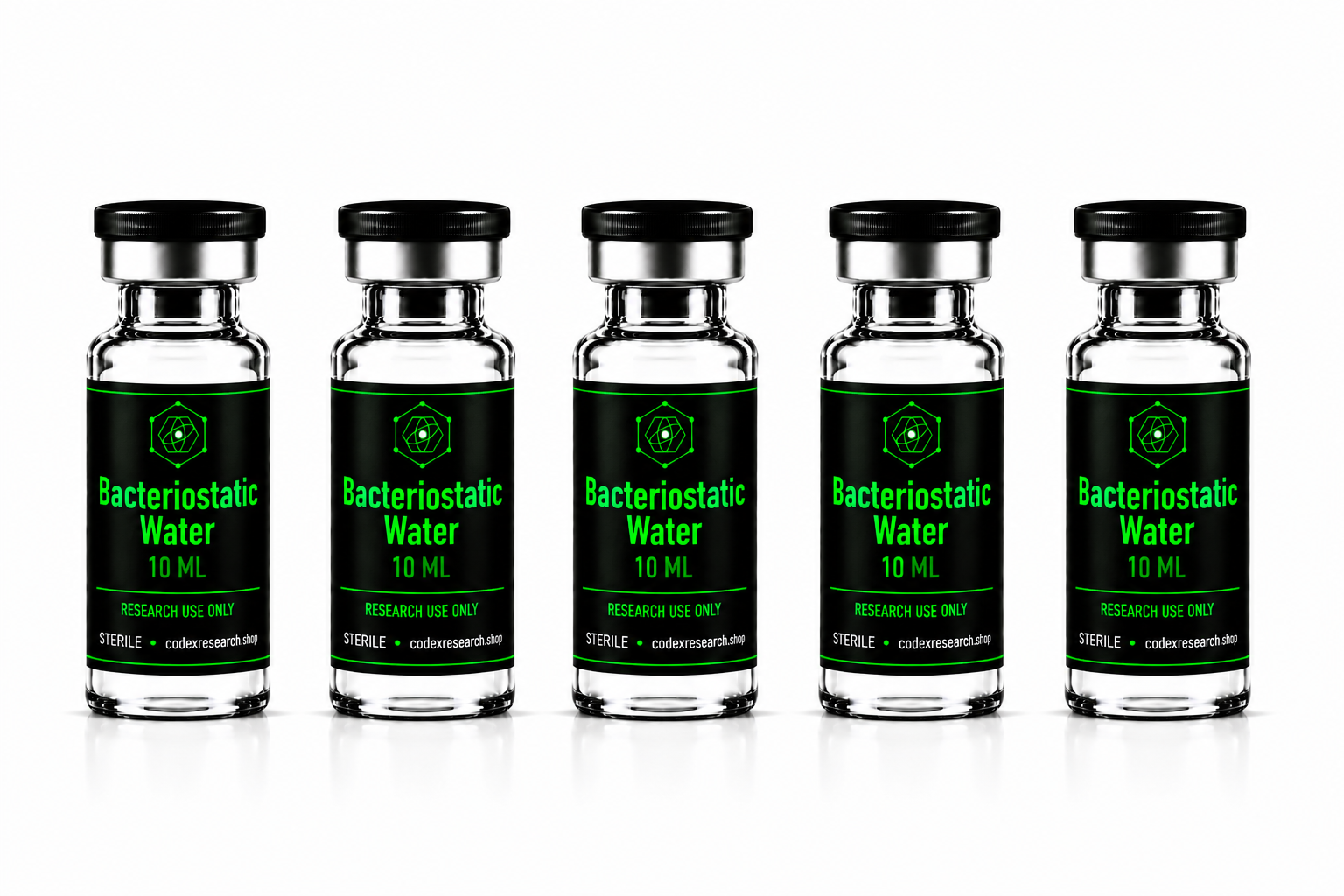
Research Peptides
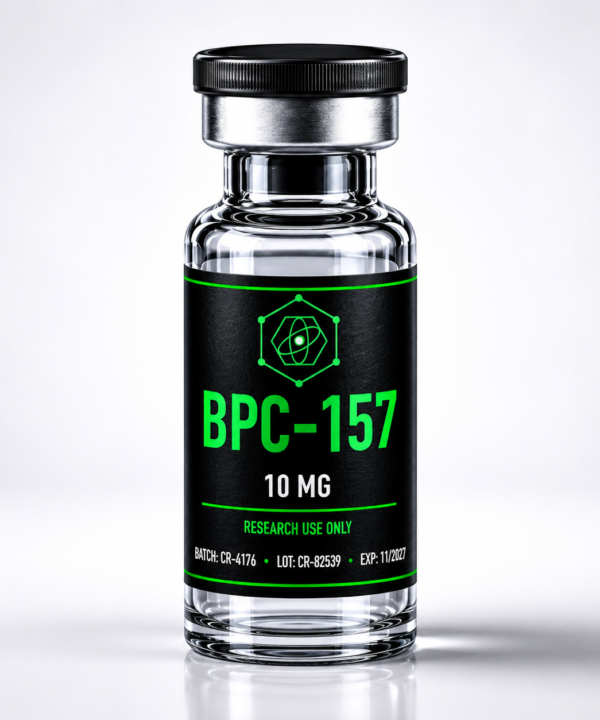
BPC-157 is a synthetic pentadecapeptide derived from a protective protein sequence found in gastric juice — one of the most widely referenced compounds in tissue-repair and cytoprotection research.



Research Peptides
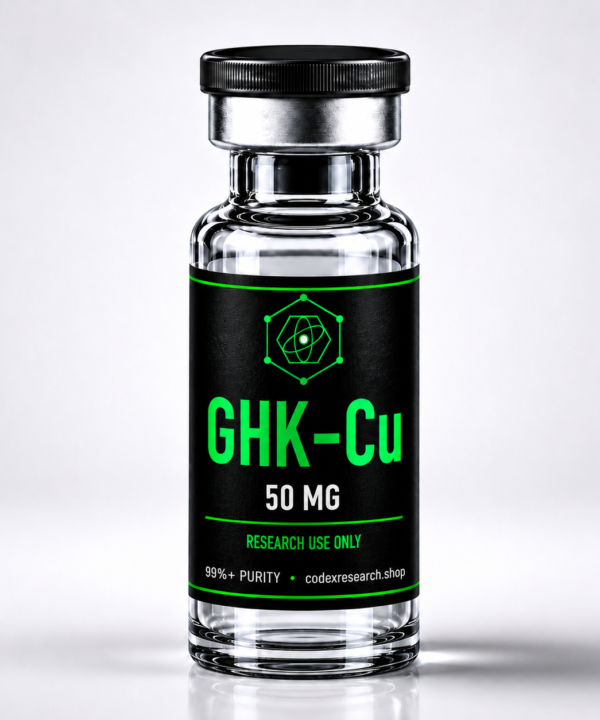
GHK-Cu is a naturally occurring copper-binding tripeptide widely referenced in skin-remodeling, extracellular-matrix, and tissue-repair research as a benchmark copper peptide.
Research Peptides
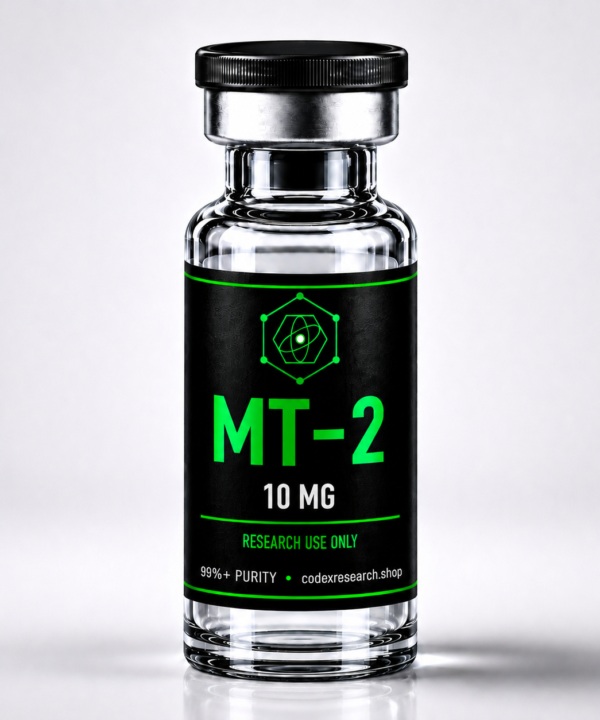
Melanotan-2 (MT-2) is a synthetic analog of alpha-melanocyte-stimulating hormone, studied as a melanocortin receptor agonist in pigmentation and appetite-signaling research.
Research Peptides
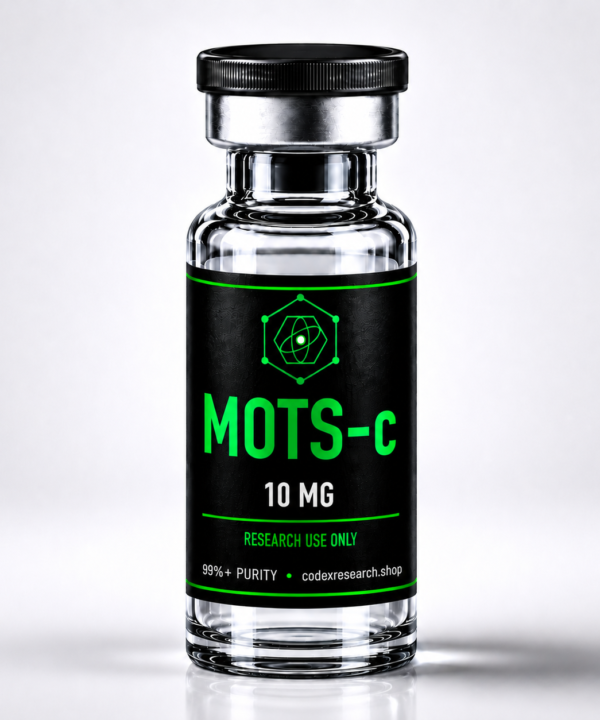
MOTS-c is a mitochondrial-derived peptide studied as a key reference compound in metabolic regulation, insulin-signaling, and cellular-stress research.
Research Peptides
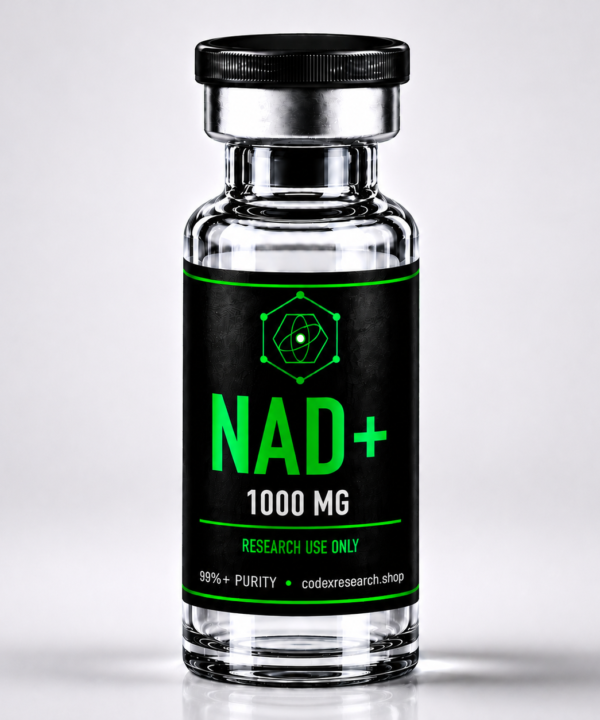
NAD+ is an essential redox coenzyme central to cellular energy metabolism, studied extensively across mitochondrial-function, DNA-repair, and longevity research.

Research Peptides
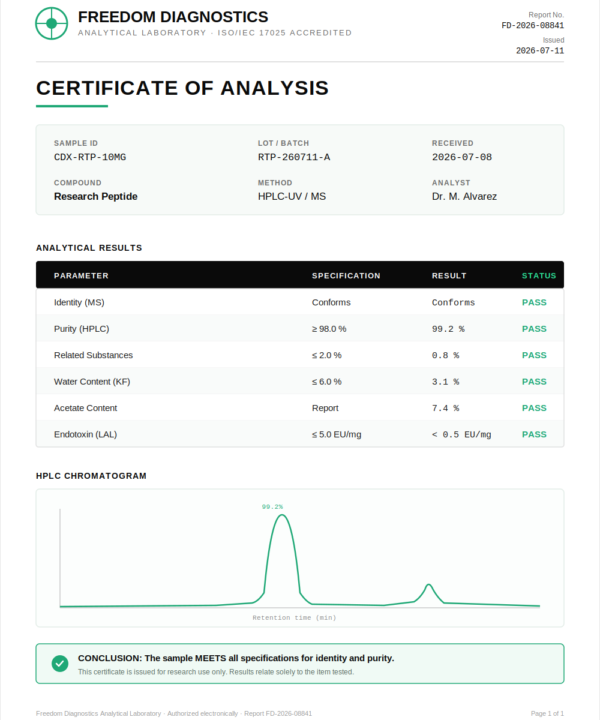
Retatrutide (LY3437943) is a first-in-class triple receptor agonist targeting the GIP, GLP-1, and glucagon pathways — one of the most actively studied next-generation reference compounds in metabolic research.

Research Peptides
Semaglutide is a long-acting GLP-1 receptor agonist and one of the most extensively characterized reference compounds in metabolic and appetite-signaling research.

Research Peptides
Semax is a short ACTH-derived peptide studied across cognitive, neuroprotective, and BDNF-pathway research as a reference nootropic peptide.
Research Peptides
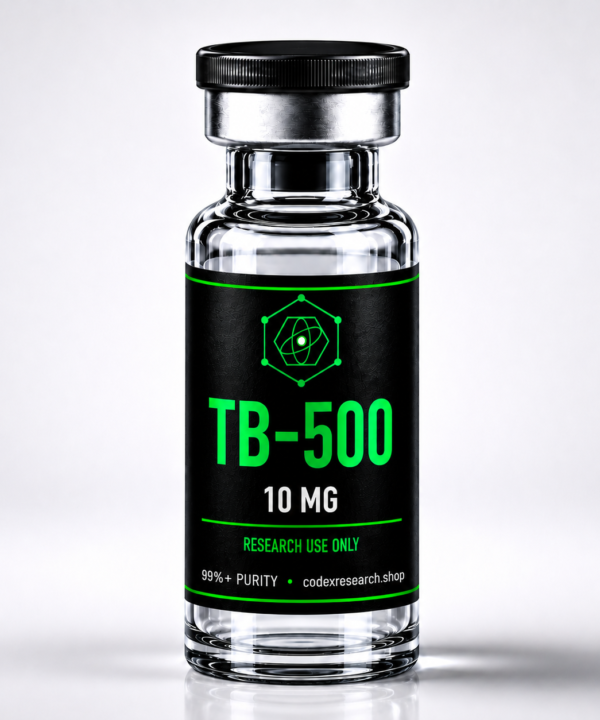
TB-500 is a synthetic fragment of Thymosin Beta-4, widely studied as a reference peptide in actin-regulation, tissue-repair, and recovery research models.

Research Peptides
Tesamorelin is a stabilized 44-amino-acid GHRH analog studied across growth-hormone-axis, pituitary-function, and metabolic research as a reference GHRH compound.
Research Peptides
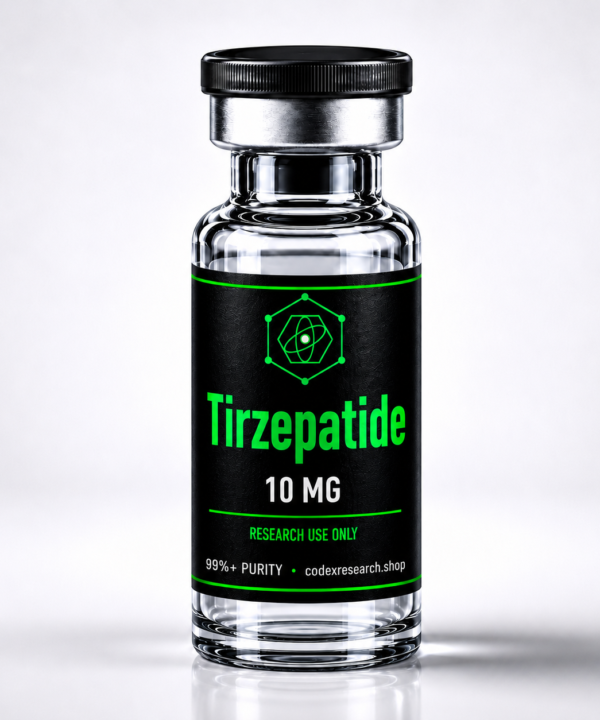
Tirzepatide is a dual GIP and GLP-1 receptor agonist — a leading next-generation reference compound in metabolic, glycemic, and body-composition research.