

"Research peptide" covers a wide range of compounds, from five-amino-acid fragments to long modified hormones. What they share is that they're short chains of amino acids produced synthetically for laboratory study. This guide covers the basics: what a peptide is, how research peptides are made and verified, and what separates a useful supplier from a risky one.
What a peptide is
Proteins and peptides are both chains of amino acids linked by peptide bonds. The difference is mainly length. Chains of roughly 50 amino acids or fewer are generally called peptides, and longer chains are called proteins.
Many signalling molecules in biology are peptides: hormones, neurotransmitters and growth factors among them. Research peptides are often copies, fragments or modified versions of these natural sequences, designed so scientists can study a specific pathway in a controlled way.
How research peptides are made
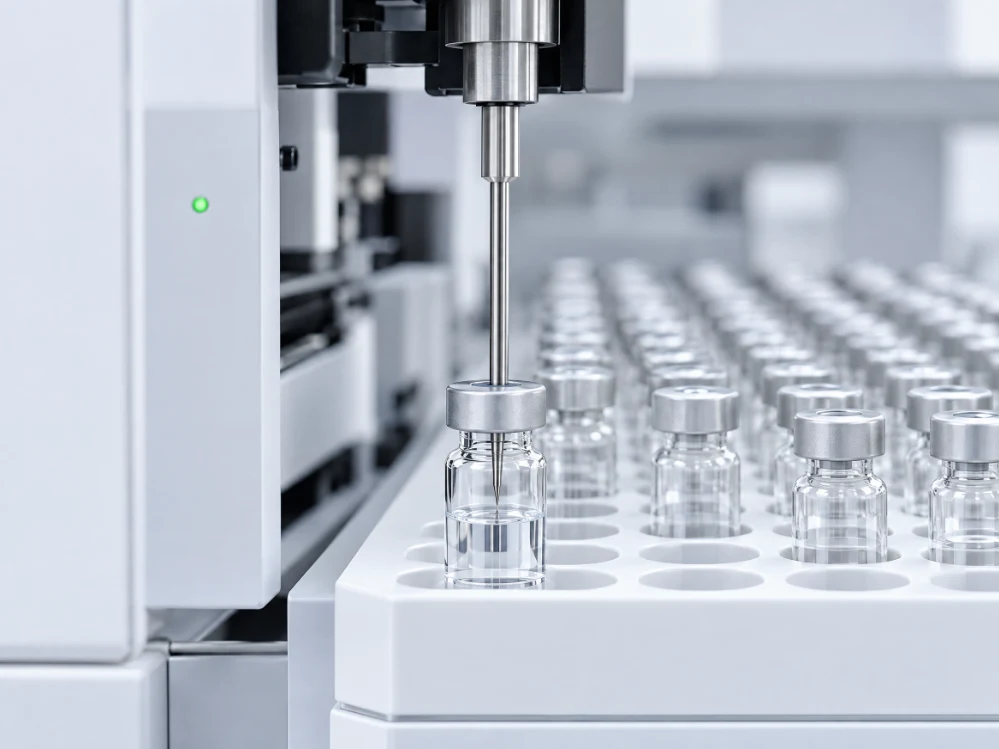
Nearly all research peptides are produced by solid-phase peptide synthesis (SPPS). The chain is built one amino acid at a time on a resin bead, then cleaved off, purified by HPLC and freeze-dried into a stable powder.
Synthesis isn't perfect. Each coupling step has a small failure rate, which leaves truncated or deletion sequences in the crude product. Purification removes most of them, and the final HPLC purity figure tells you how well that worked.
Vials and sprays
| Format | What it is | Codex examples |
|---|---|---|
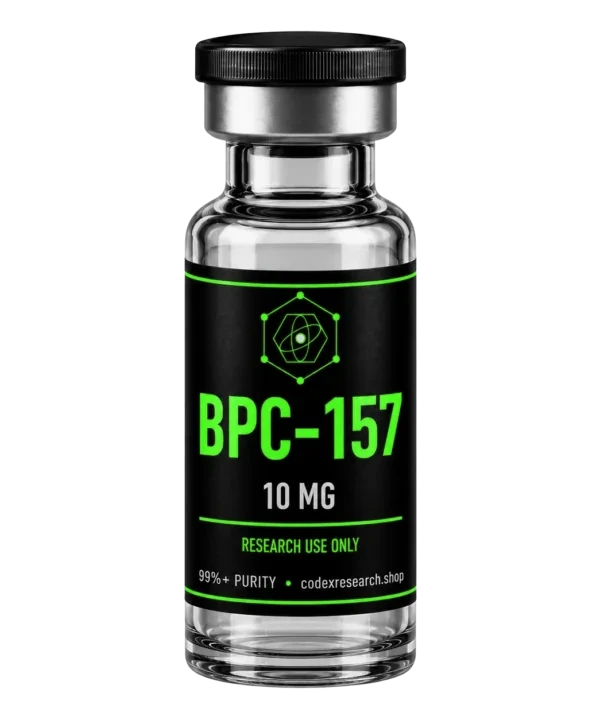
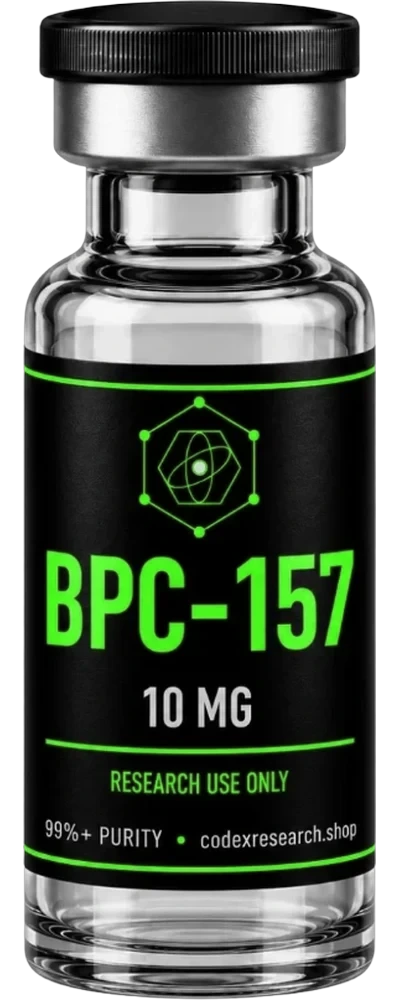
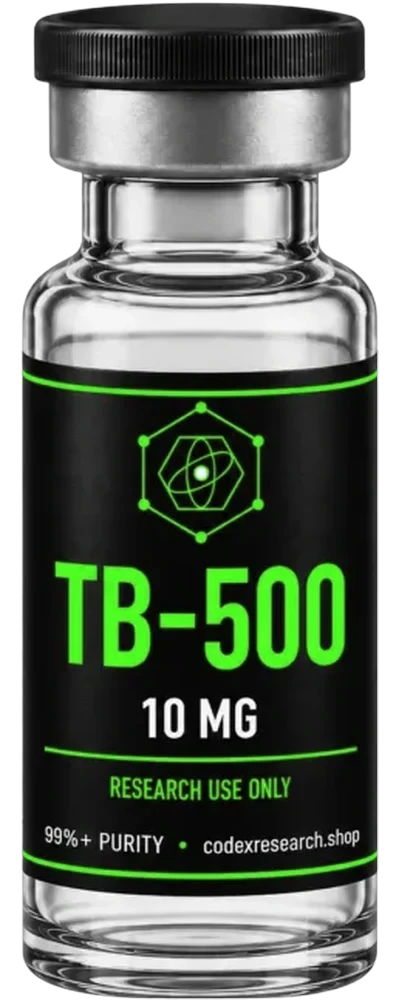
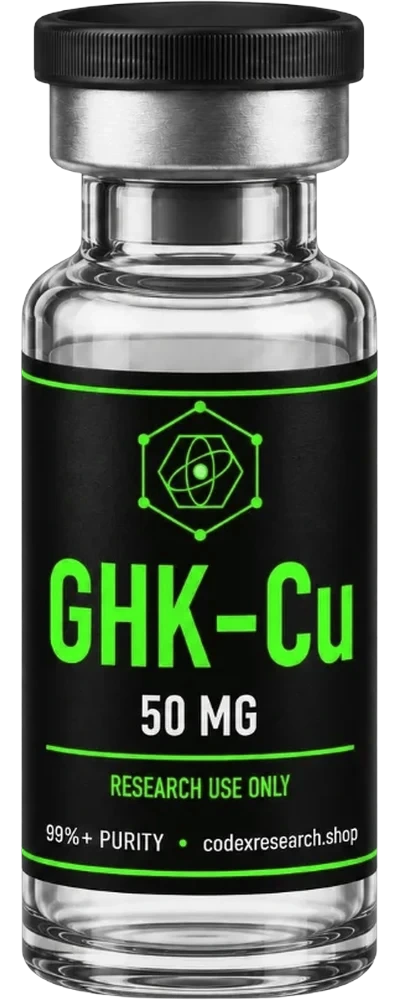
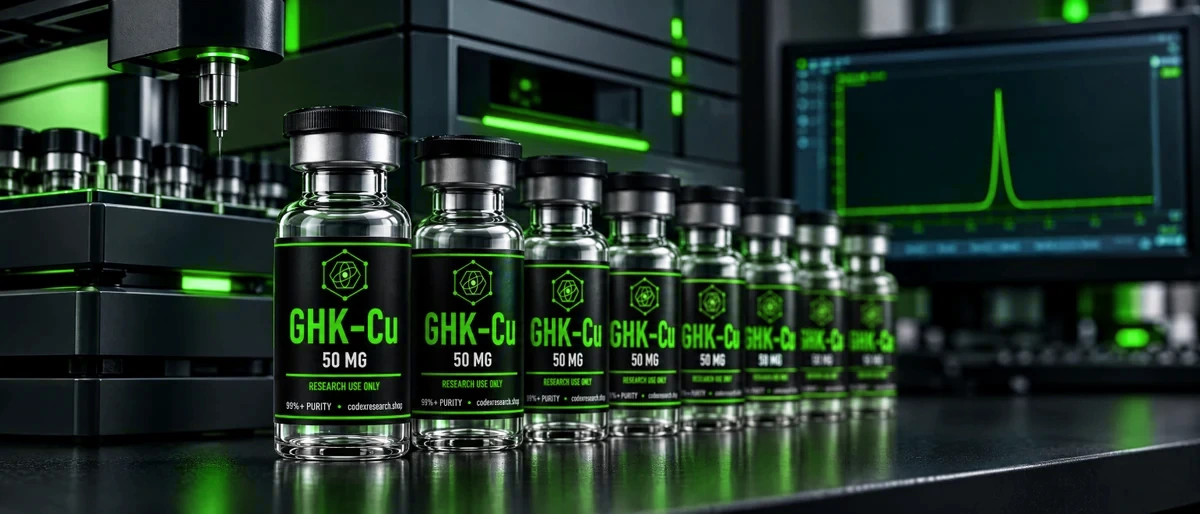
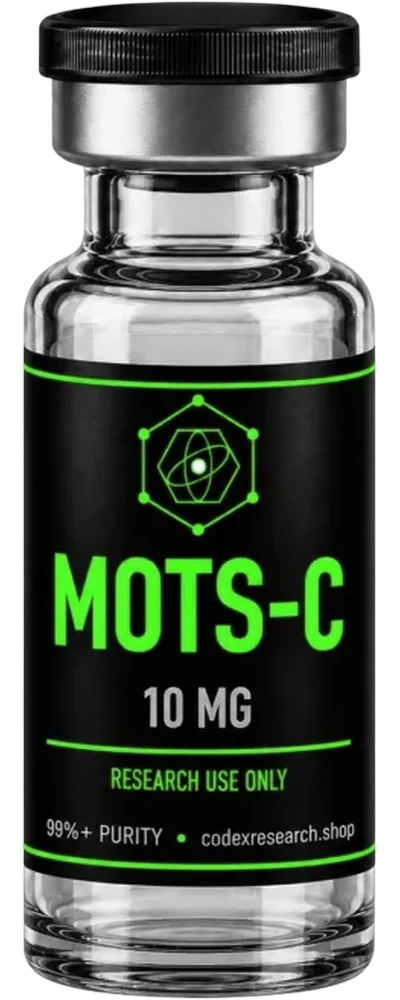
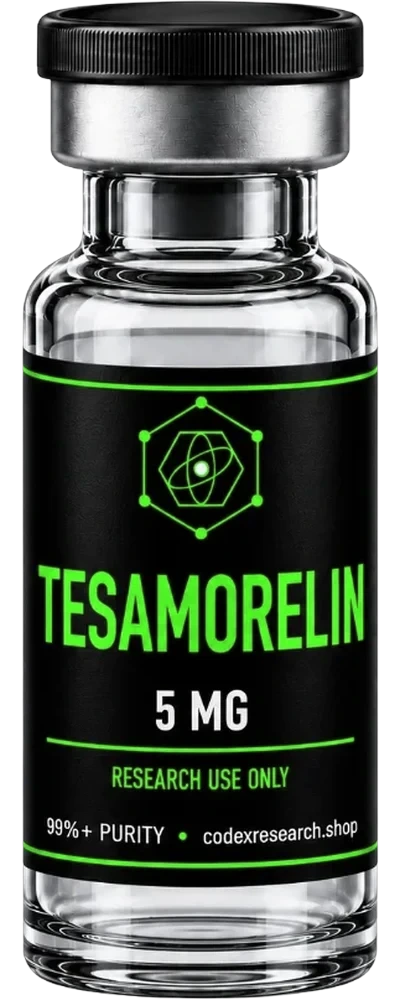
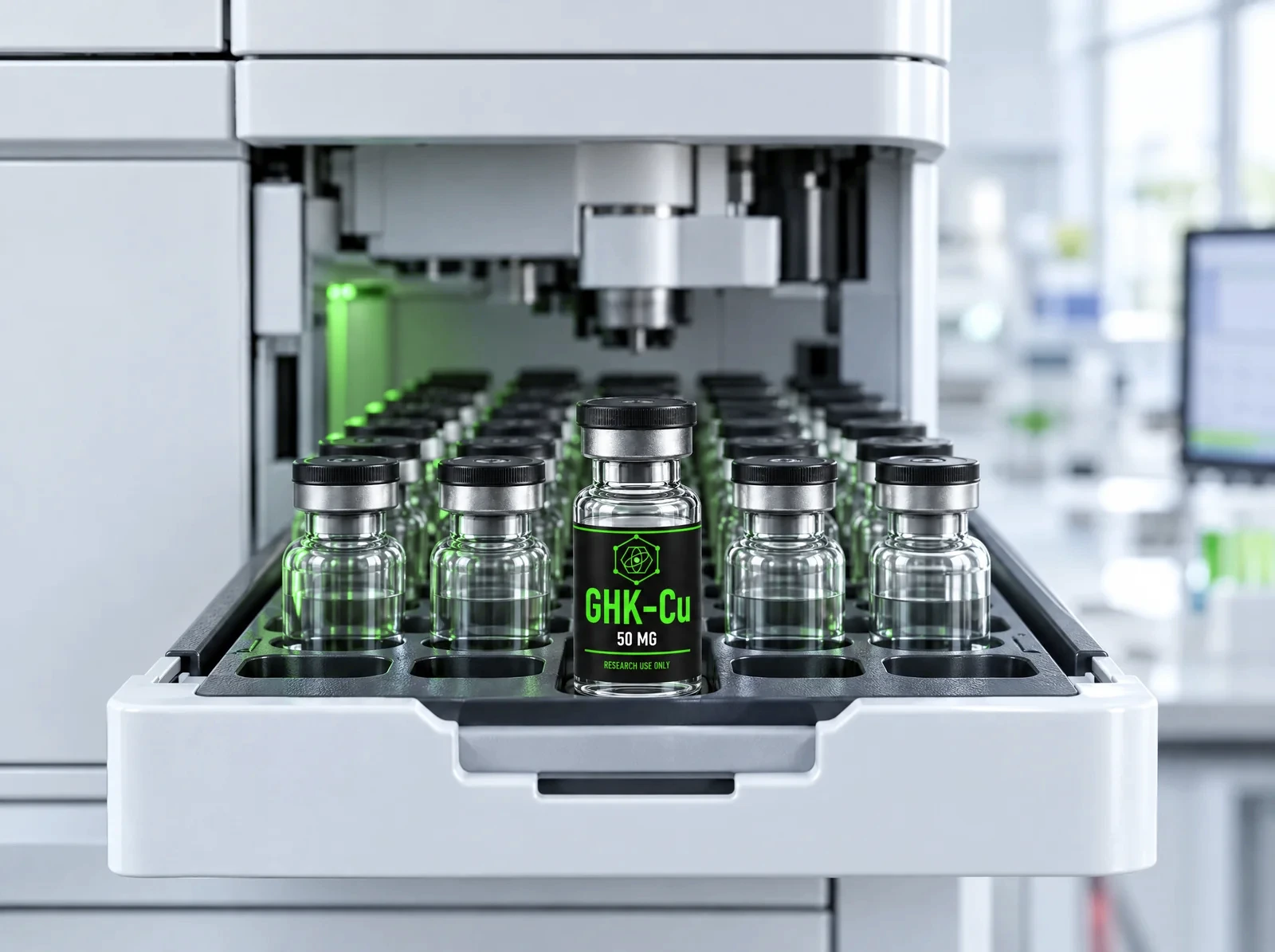
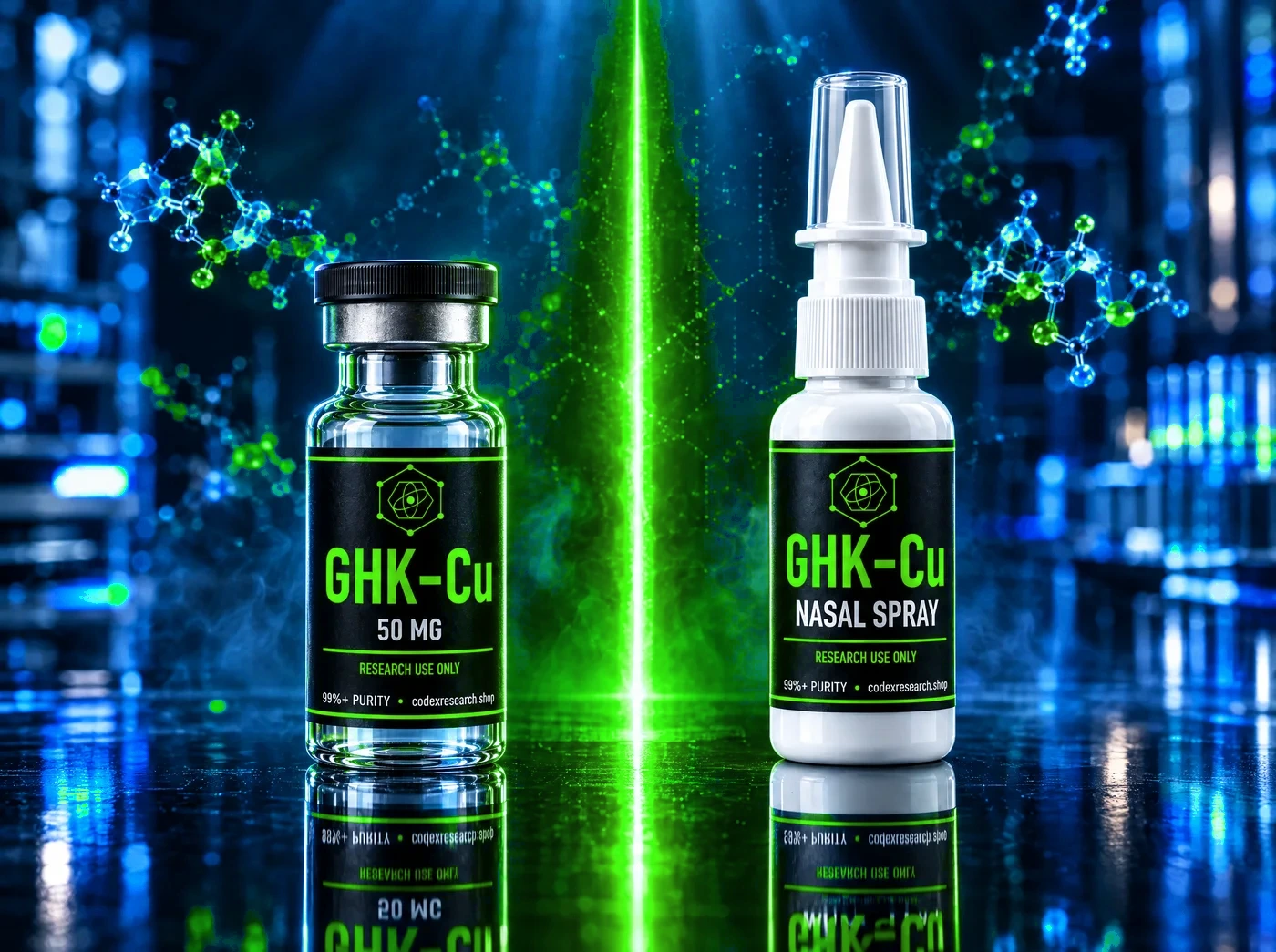
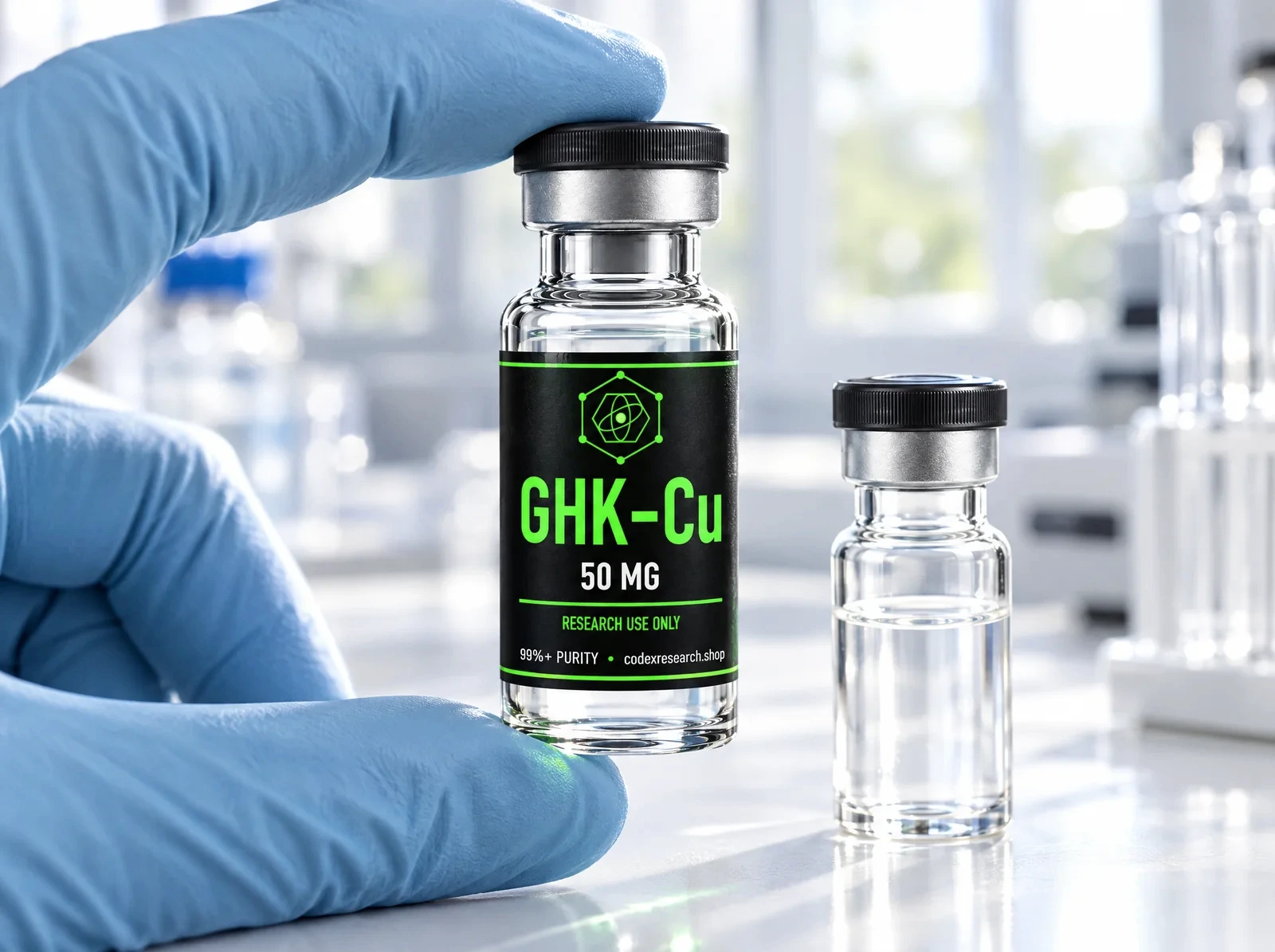
| Lyophilized vial | Freeze-dried powder, reconstituted in the lab | BPC-157, GHK-Cu, MOTS-c |
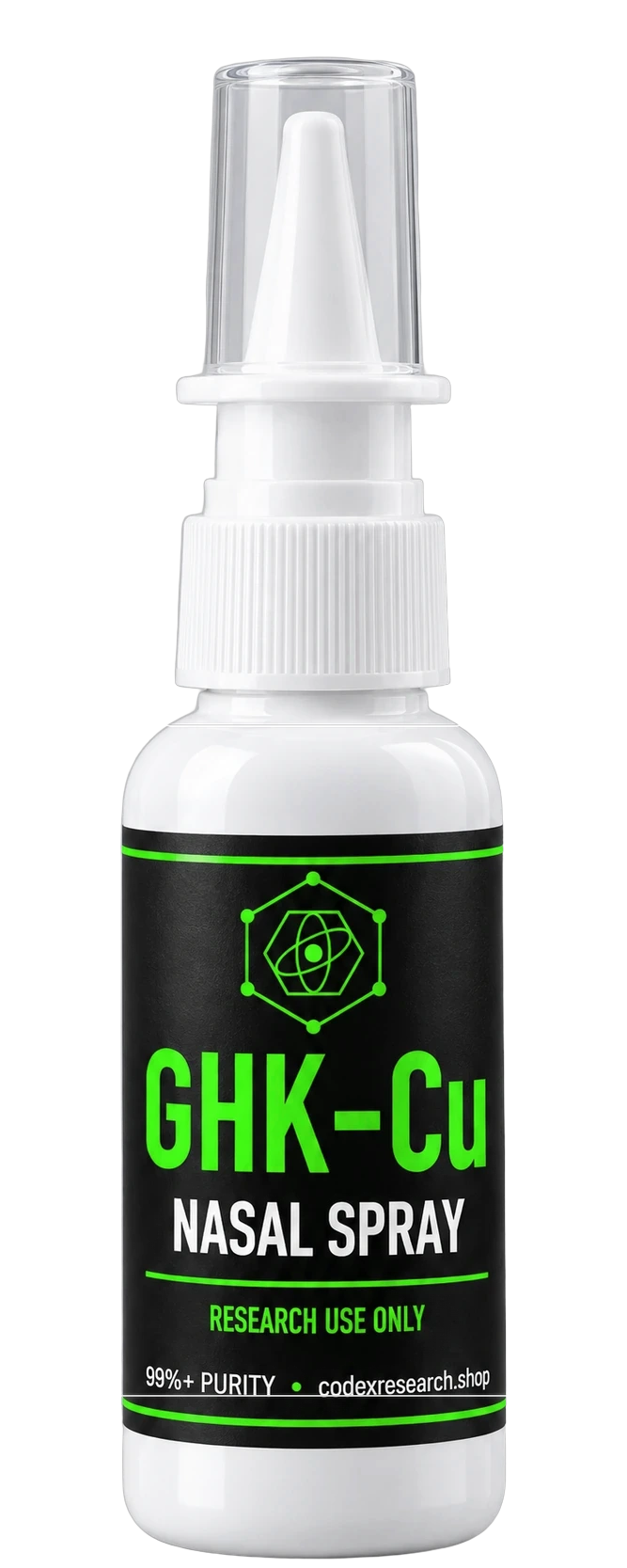
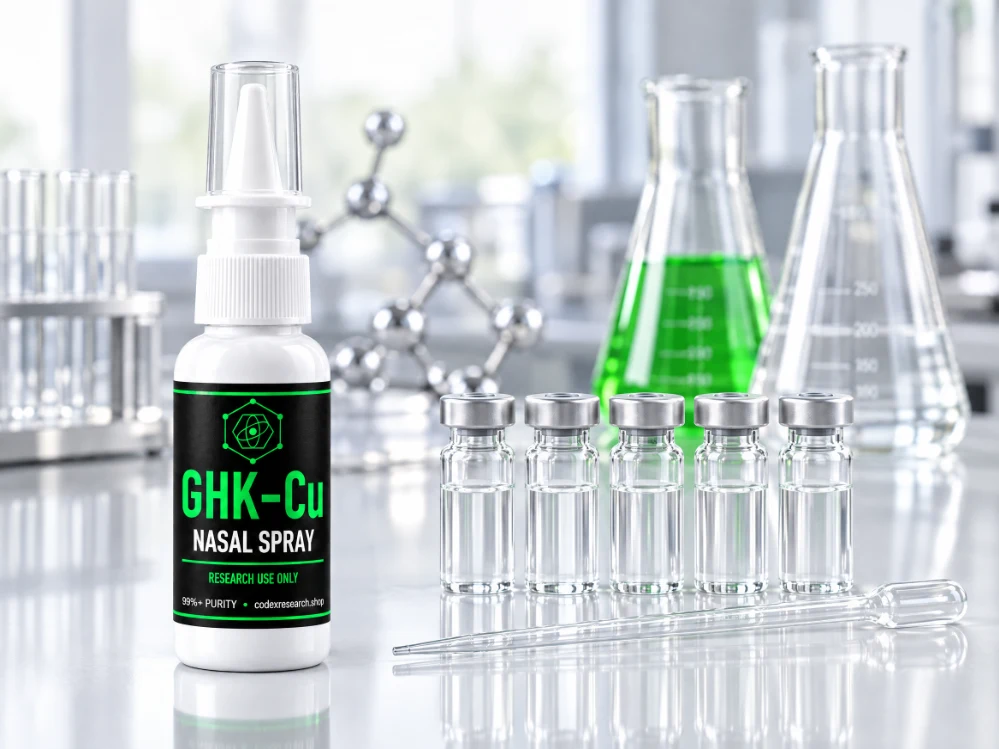
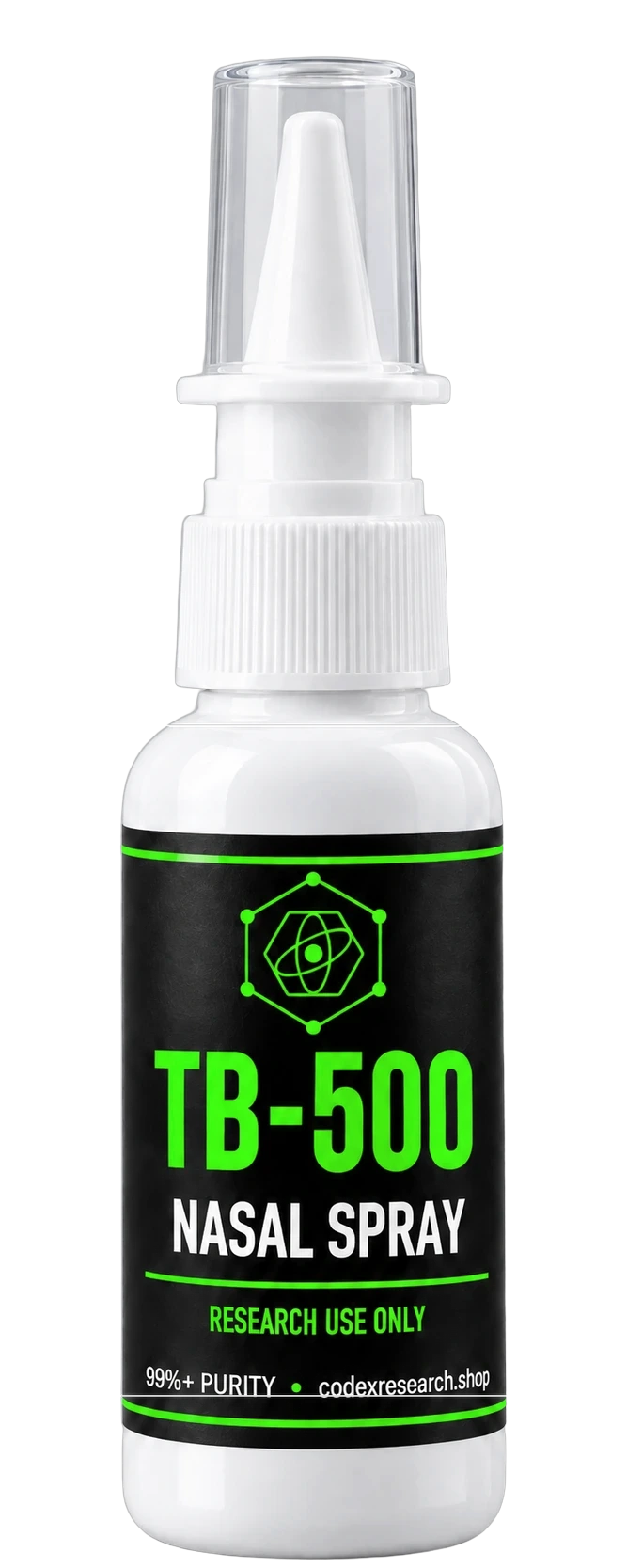
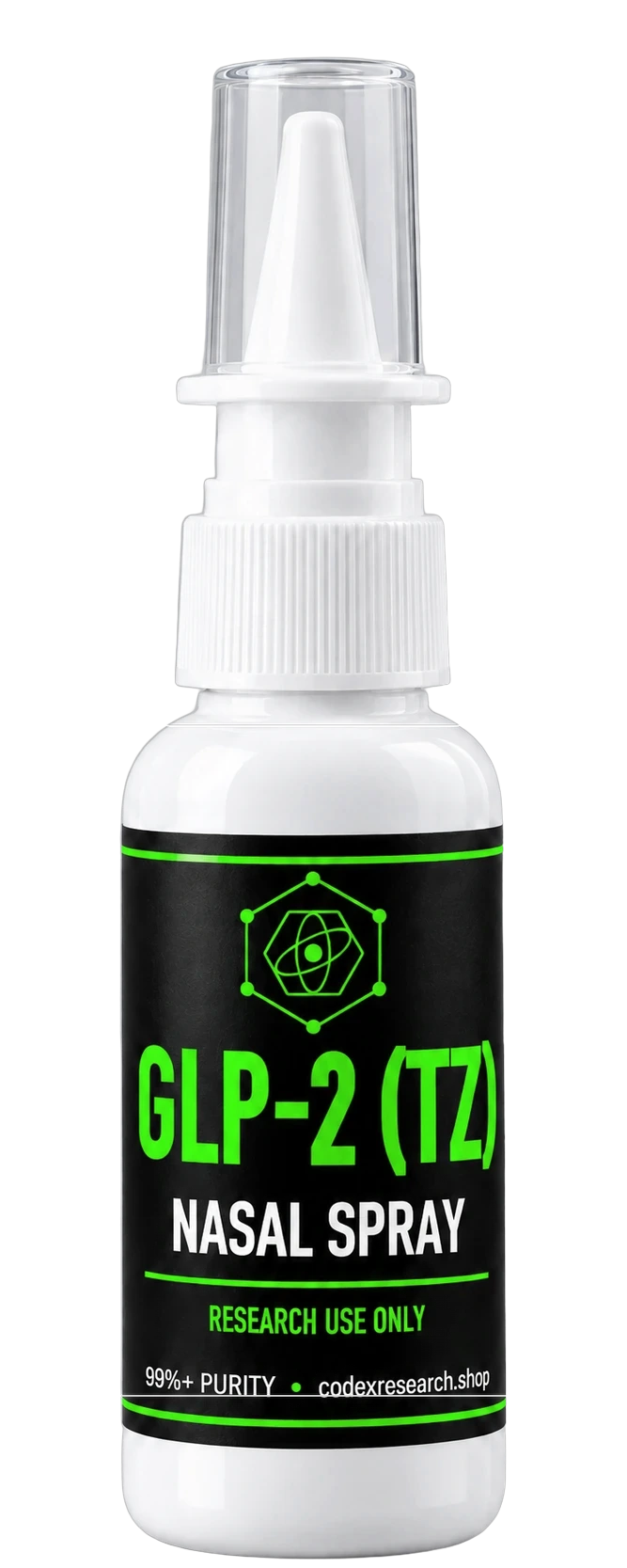
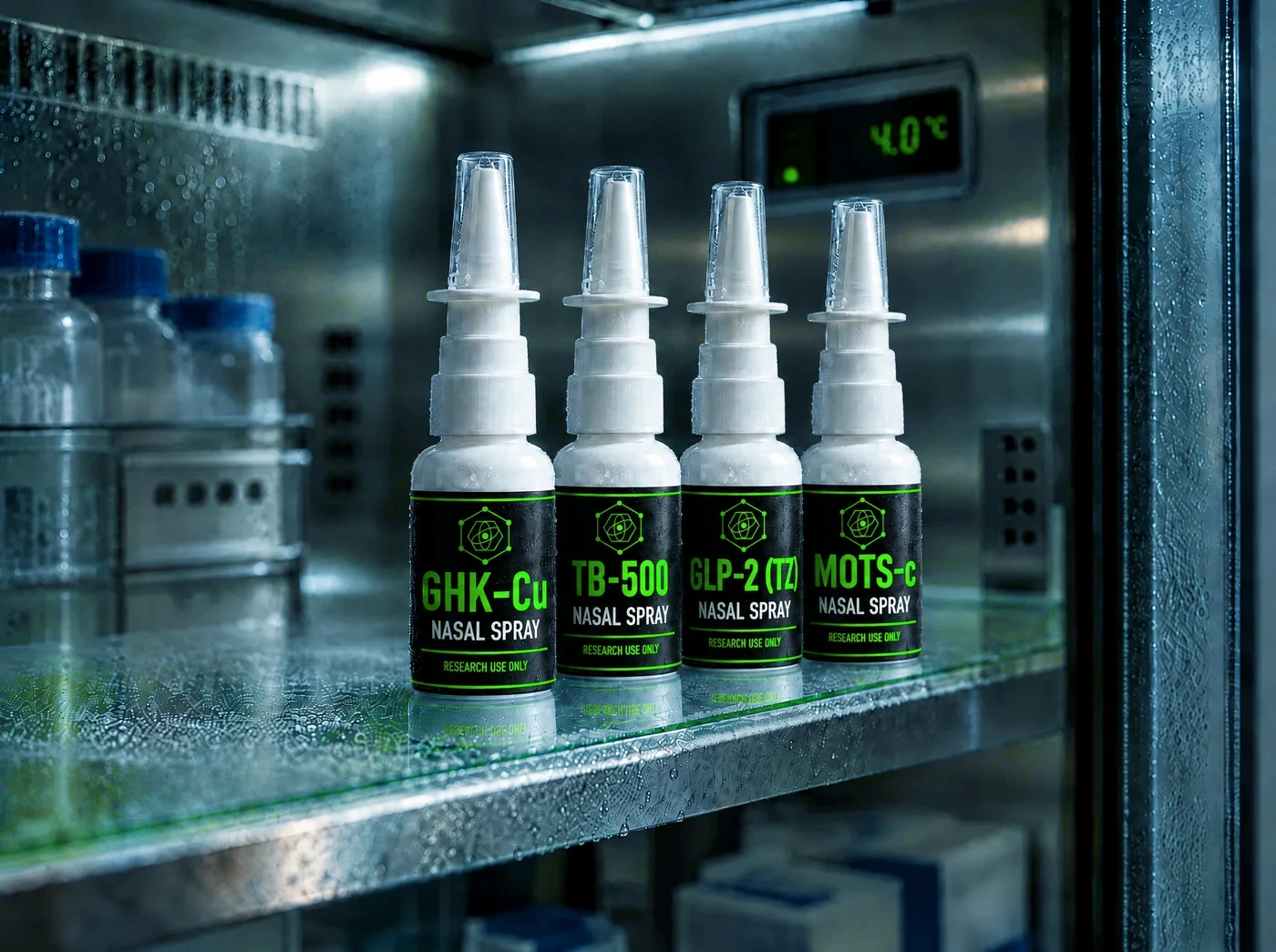
| Nasal spray format | Pre-formulated solution in a metered spray bottle | MOTS-c spray, GHK-Cu spray |
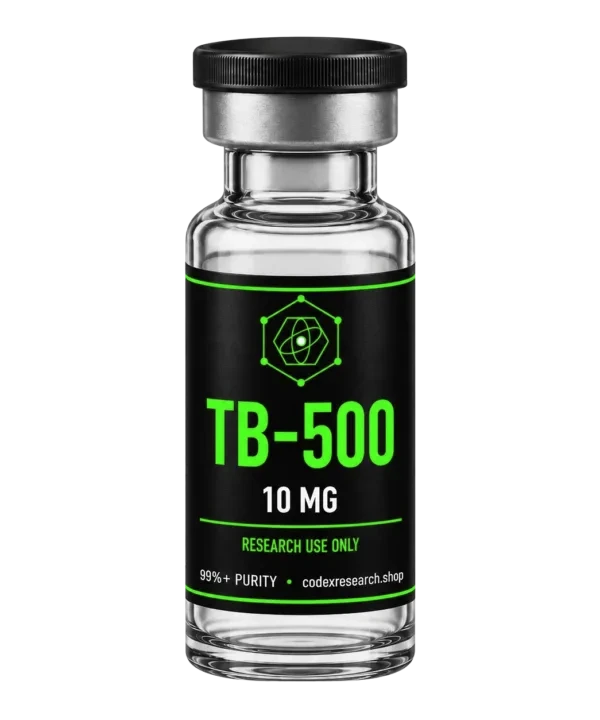
Lyophilized vials offer the longest shelf life and the most flexibility in concentration. Spray formats are pre-measured solutions used in intranasal-delivery research.
What to check before ordering
- A lot-specific certificate of analysis, with identity by mass spectrometry and purity by HPLC. Our guide to reading a COA explains each line.
- Purity of 98–99% or higher for most research applications.
- Clear handling information: storage temperature, diluent and stability.
- Research-use-only labelling. Legitimate suppliers are explicit that their compounds are not for human or veterinary use.
Research use only means exactly that
Research peptides are not FDA-approved drugs, supplements or cosmetics. They're sold for in-vitro laboratory, academic and institutional research. Codex Research does not provide guidance on human or animal use, and nothing on this site should be read that way.
Where to go next
- Shop all research compounds with the current lot's COA on every page
- How to reconstitute lyophilized peptides
- Peptide storage and stability







 From lab to your door