

Codex Journal
Research,explained.
Compound guides, lab handling and the science behind every vial, written for researchers and kept current.
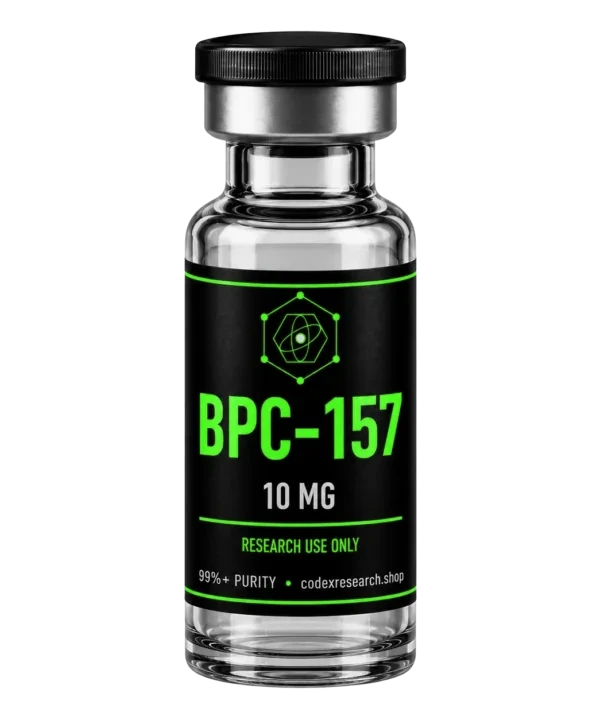
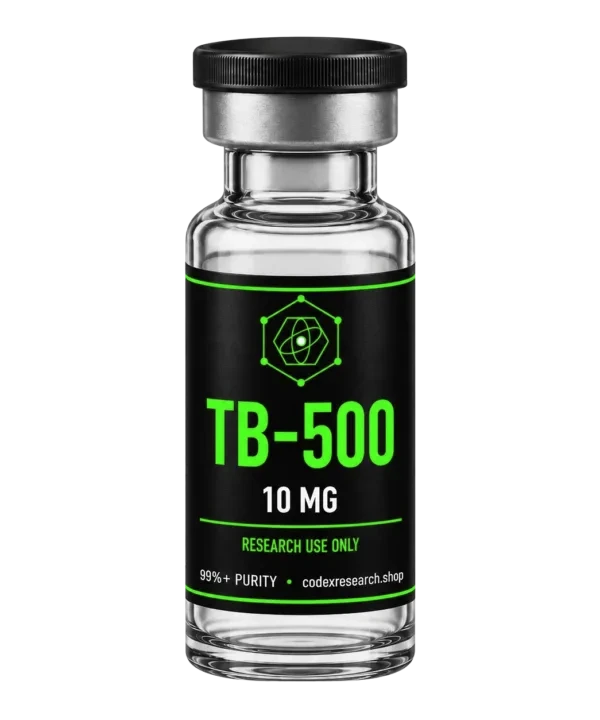
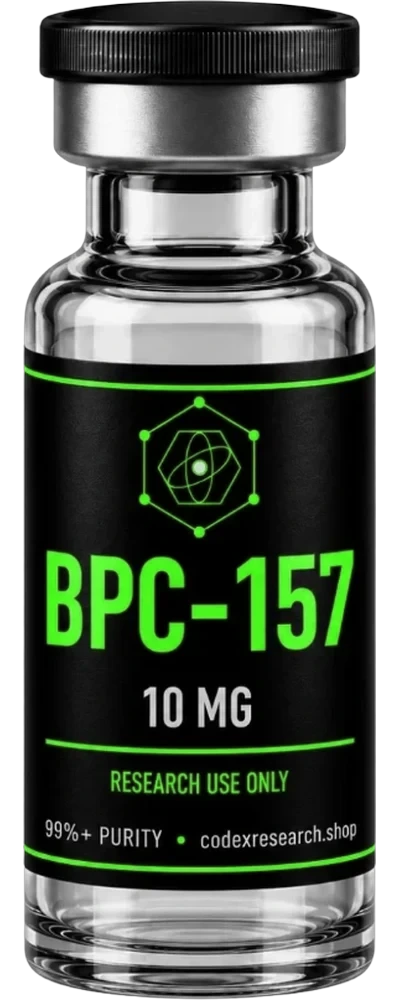
BPC-157 vs TB-500: How the Two Most-Studied Repair Peptides Differ
BPC-157 and TB-500 are often studied side by side, but they come from different proteins and act on different pathways. Here is how they compare in the lab.
How to Reconstitute Lyophilized Peptides: A Step-by-Step Lab Guide
A clear walkthrough of reconstituting freeze-dried research peptides: choosing a diluent, the math behind concentration, and handling that protects the sequence.
How to Read a Peptide Certificate of Analysis (COA), Line by Line
A certificate of analysis is the only real proof of what's in a vial. Learn what HPLC purity, mass-spec identity, net peptide content and the other lines mean.
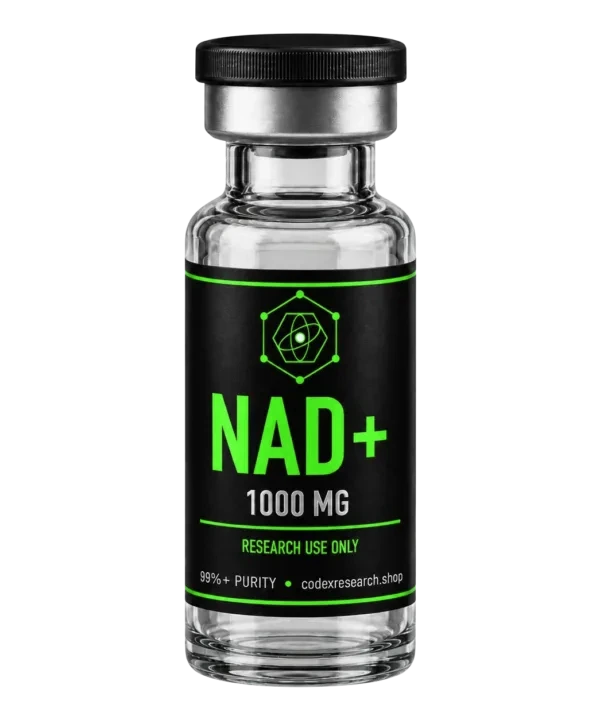
Peptide Storage and Stability: Lyophilized vs Reconstituted
How temperature, light, moisture and freeze–thaw affect research peptides, and how long lyophilized and reconstituted material typically stays stable.
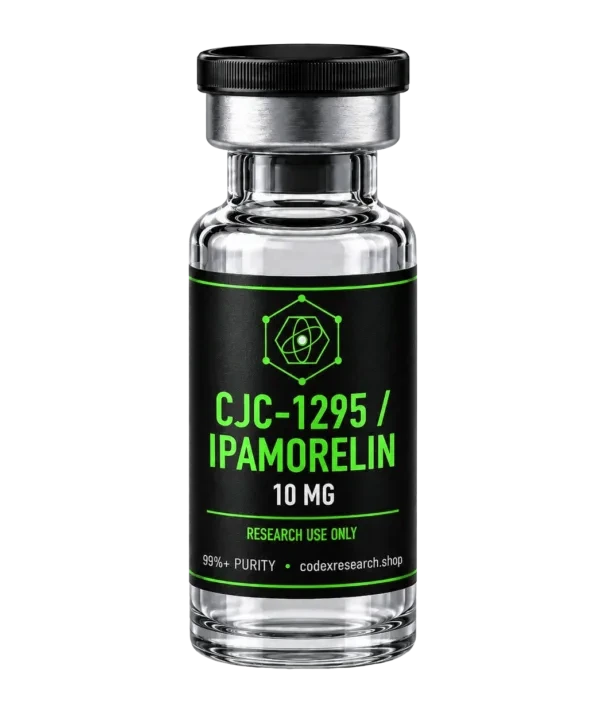
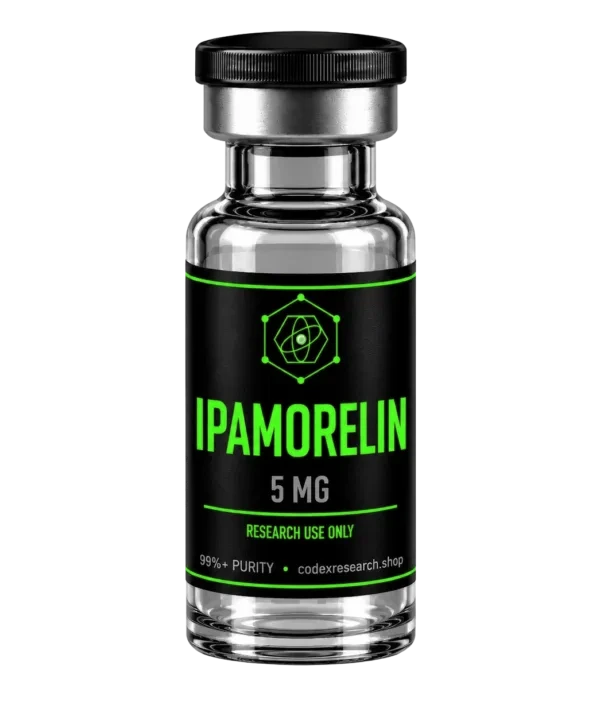
CJC-1295 and Ipamorelin: How Two GH-Axis Peptides Work Differently
CJC-1295 and ipamorelin both act on the growth-hormone axis, but through two separate receptors. An overview of their structure and signalling in research models.
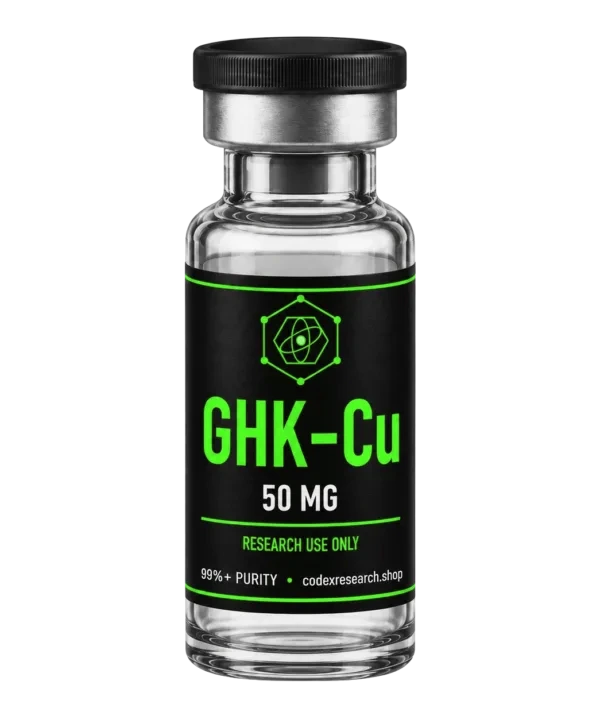
What Are Research Peptides? A Plain-English Guide for the Lab
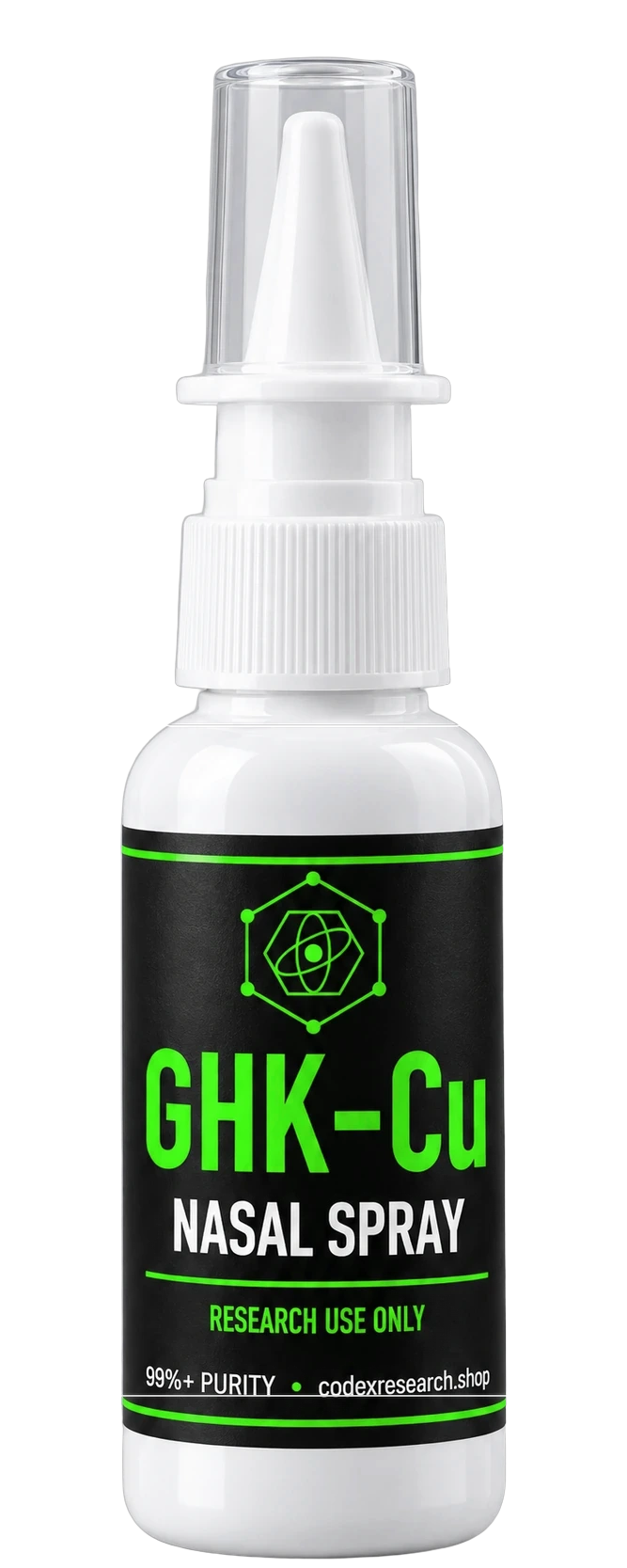
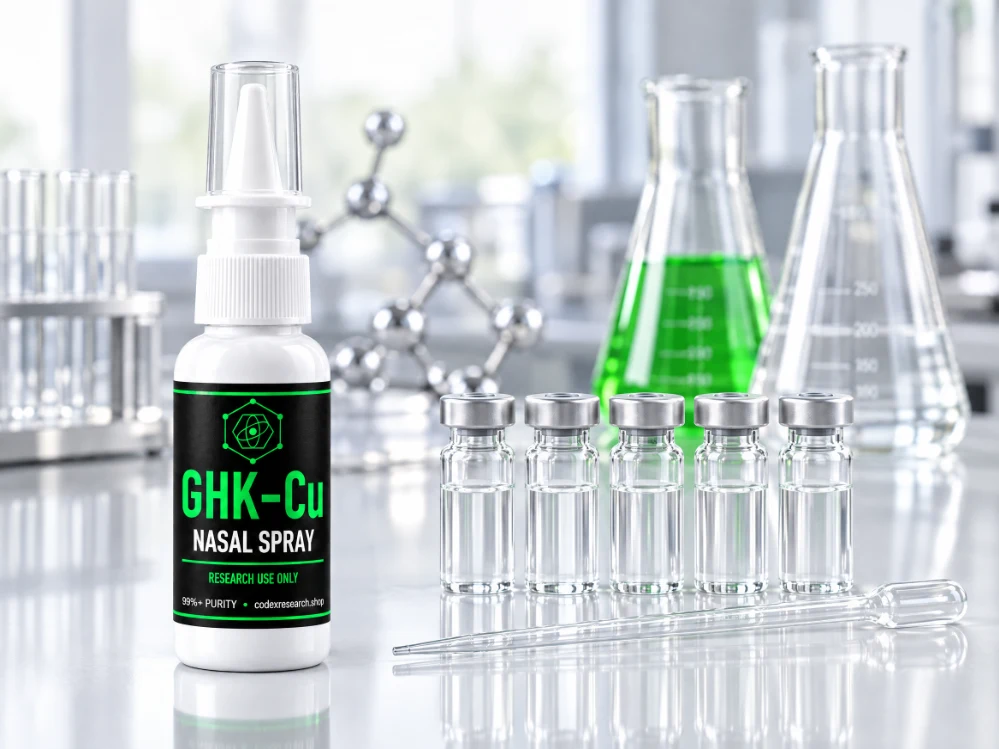
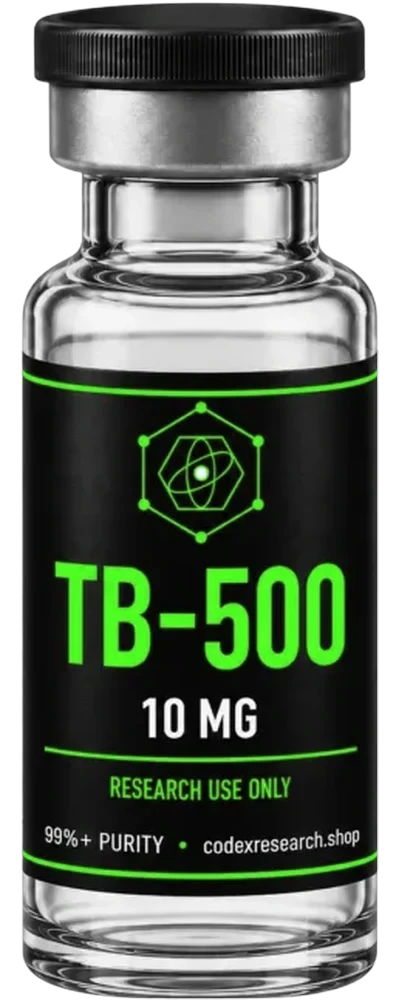
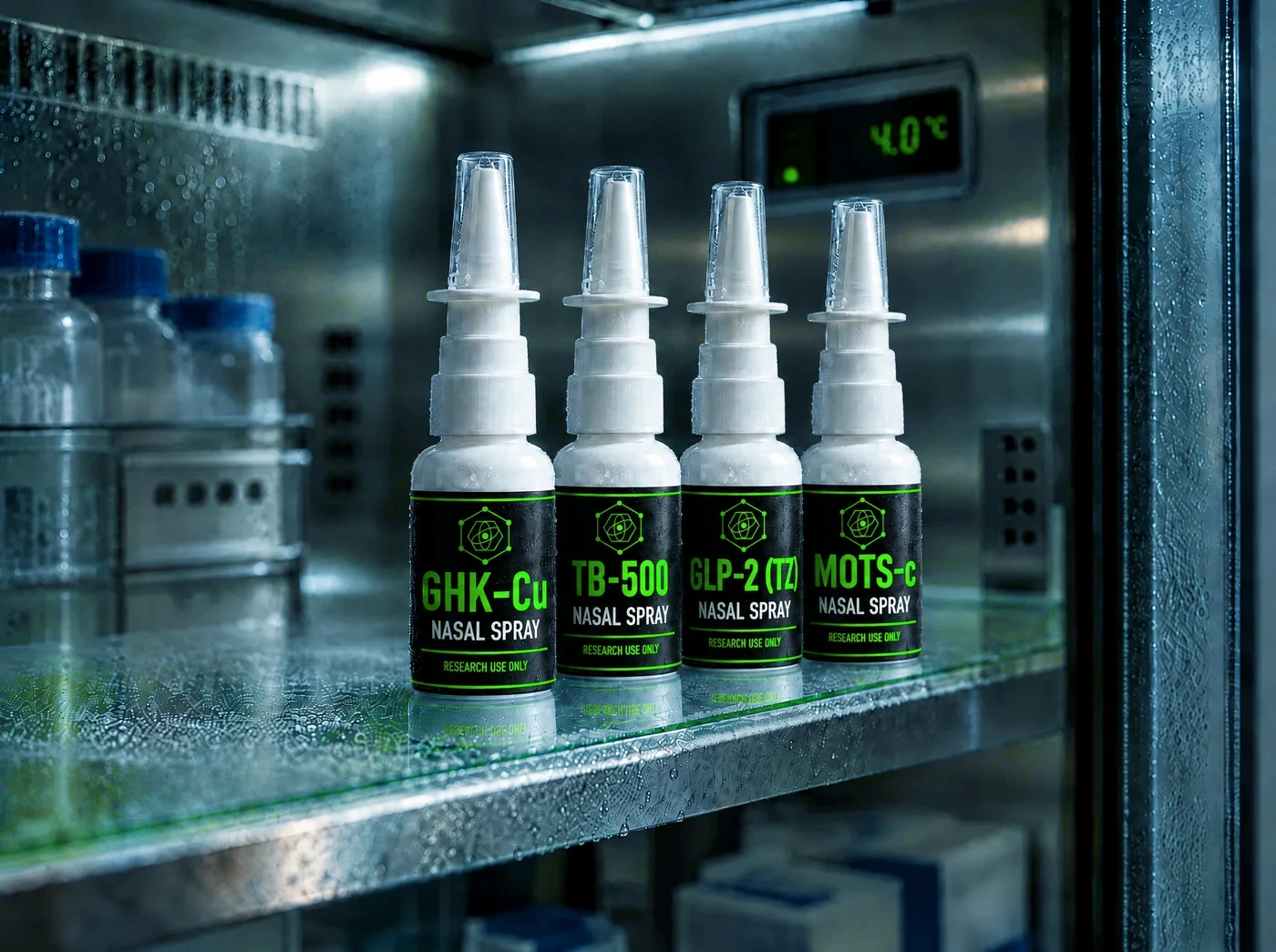
What research peptides are, how they're made and tested, the difference between vials and sprays, and what to check before you order for a study.

 From lab to your door
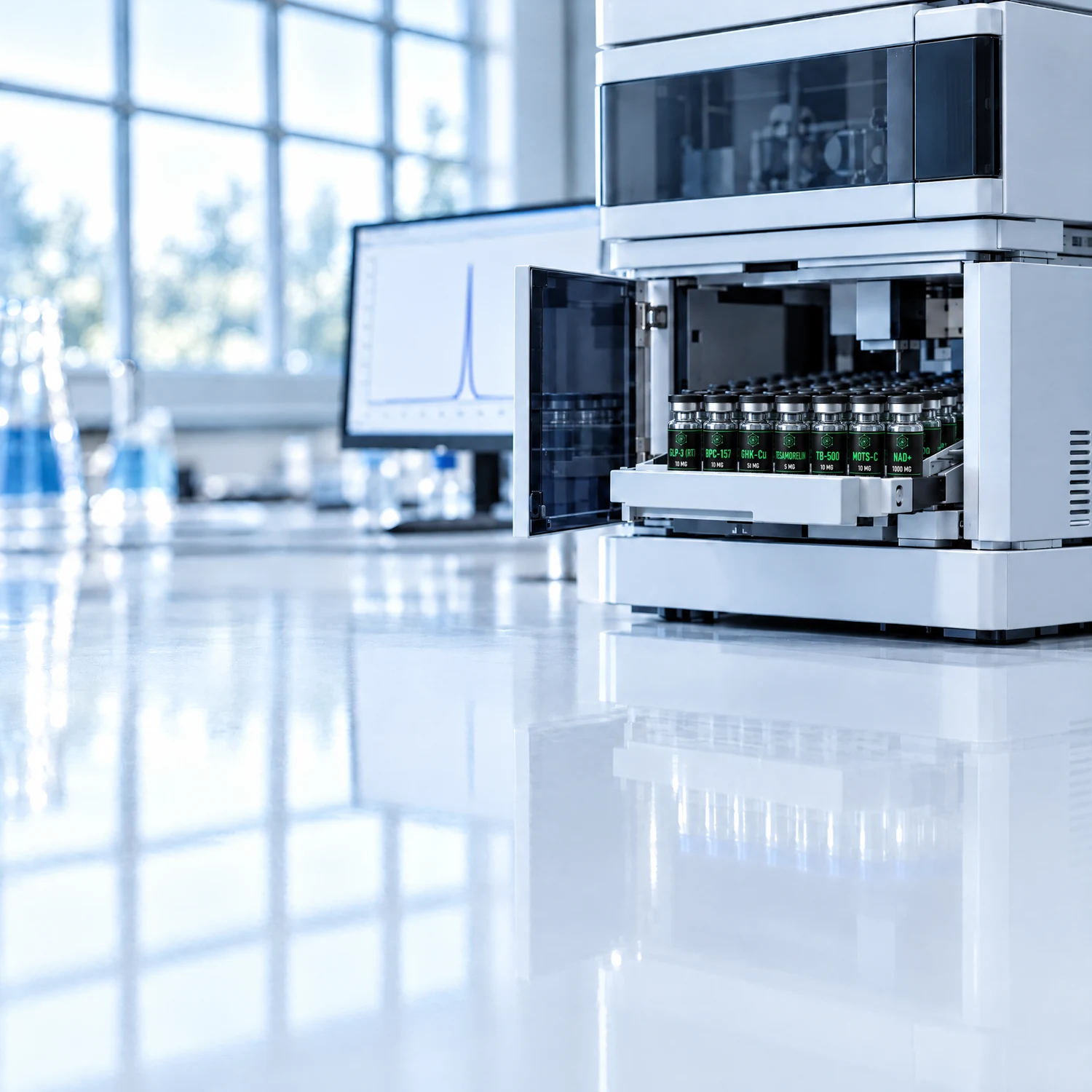
Every compound.Every lot, proven.
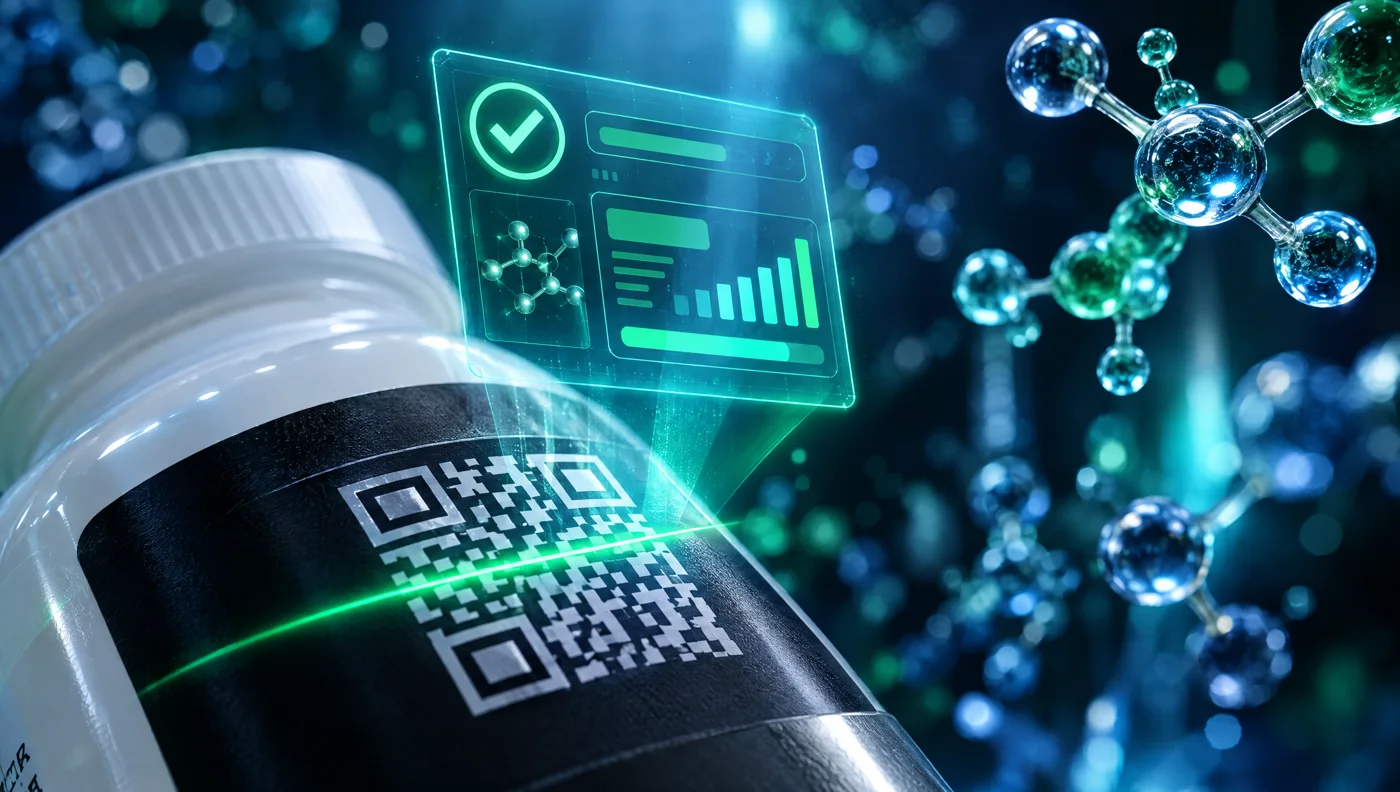
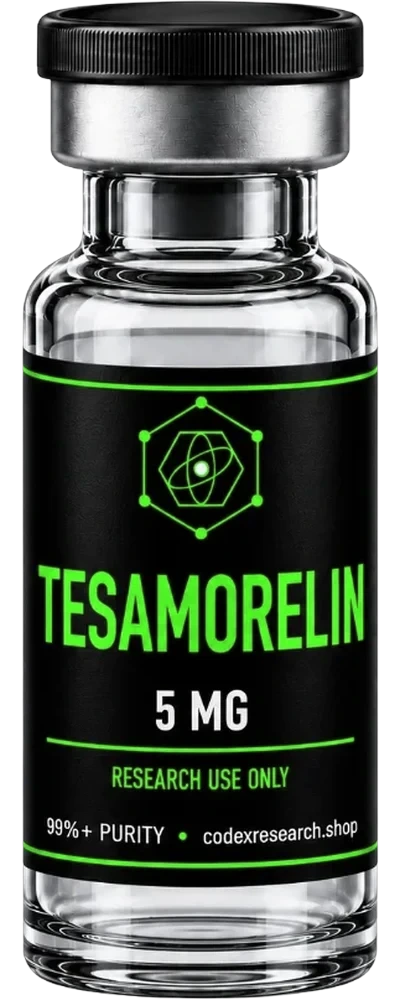
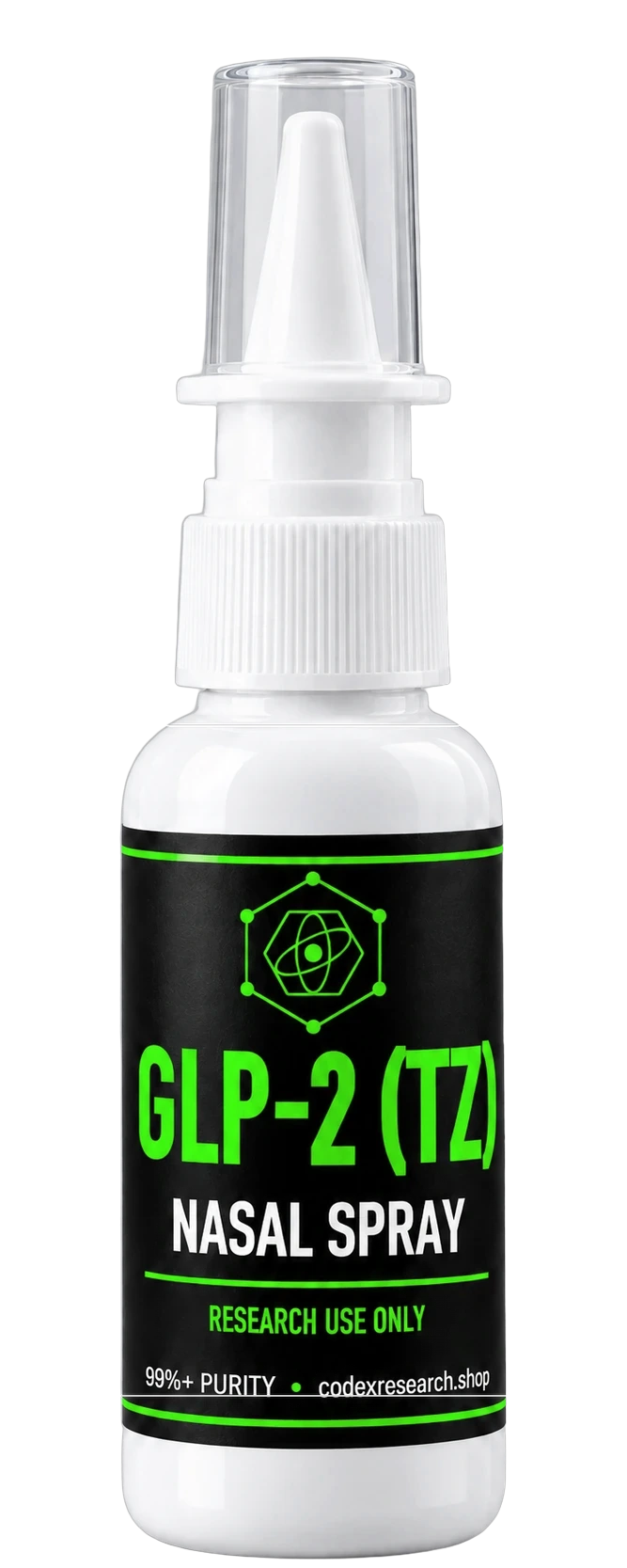
U.S.-made research vials and nasal sprays, shipped with lot-matched, lab-tested COAs you can scan straight off the label.