
RUO
Intended use
Research use only (RUO)
A statement that the material is intended for laboratory research only, not diagnostic, clinical, human or veterinary use.
(“ar-yoo-OH”)
One label says what a material is for. Neither says how good it is.
The short answer
RUO means a material is intended only for laboratory research. “Research grade” is an informal quality description that no single standard defines.
In U.S. regulation, “For Research Use Only” is a defined labeling statement for diagnostic products still in the laboratory research phase. More broadly, RUO marks a material as intended for research, not for diagnosis, treatment or use in humans or animals. “Research grade” is different: it is a marketing-style quality term with no official definition, unlike compendial grades such as ACS reagent grade. The real evidence of quality is lot-level testing.
Reviewed by the Codex Research quality teamUpdated Nov 8, 2026
Word study
Say it
re·search use on·ly
(“ar-yoo-OH”)
Roots and origin
RootOld French
OriginLatin
Research is searching again, carefully. A grade is a step on a ladder. RUO names the purpose; a grade, when it is a real one, names the step on a published standard.
Around the world
Tap a language to hear it spokenDefinition
RUO, research use only, is a statement of intended use. In U.S. regulation its clearest definition is for in vitro diagnostic products: under 21 CFR 809.10(c)(2)(i), a product in the laboratory research phase of development, and not represented as an effective diagnostic product, must carry the statement “For Research Use Only. Not for use in diagnostic procedures.”
FDA has made clear that the label has to match reality. Its 2013 guidance on products labeled research use only explains that the label must be consistent with the manufacturer’s intended use, and describes marketing and distribution practices that are inconsistent with the designation. An RUO label on a product that is actually promoted for clinical use does not make that use acceptable.
The same idea appears for chemicals. 21 CFR 201.125 exempts drugs from certain labeling requirements when they are supplied to people engaged in research not involving clinical use, or in chemical analysis, and are used only for that purpose. Across these rules the logic is consistent: research materials sit outside clinical frameworks because, and only as long as, they are used for research.
“Research grade” is a different kind of term. Unlike compendial grades, which mean a material meets a published specification such as the American Chemical Society’s Reagent Chemicals monographs or USP–NF, “research grade” has no official definition. Different sellers use it to mean different things, from high purity to simply “not for clinical use.”
Neither label is evidence of quality. RUO says what a material is for. “Research grade” says something vague about how good it is. The things that actually describe quality are specific: identity confirmed by mass spectrometry, purity by HPLC, a lot number, and a certificate of analysis that ties those results to the material in hand.
Labels and grades
A statement that the material is intended for laboratory research only, not diagnostic, clinical, human or veterinary use.
A separate diagnostic label for products in clinical investigation, with performance not yet established.
Meets the published specifications in the American Chemical Society’s Reagent Chemicals.
Meets a monograph in the United States Pharmacopeia–National Formulary.
An informal term with no single published standard. Meaning varies by seller.
For buyers
RUO defines what a material is for. It says nothing about purity or identity.
FDA guidance is clear that research labeling must be consistent with how a product is actually intended and marketed.
A real grade points to a published specification. “Research grade” does not.
At Codex Research
Codex Research materials are sold for laboratory research use only. They are not for human or veterinary use, diagnosis or treatment. Each product page carries a lot-matched certificate of analysis for the lot in stock.
See it live: the in vitro vs in vivo guide in the glossary
Myth vs fact
Tap a card to flip it.
Watch for
Quick check
Research only, with no clinical or human-use language.
A named grade such as ACS or USP, or none.
A lot-matched certificate with identity and purity.
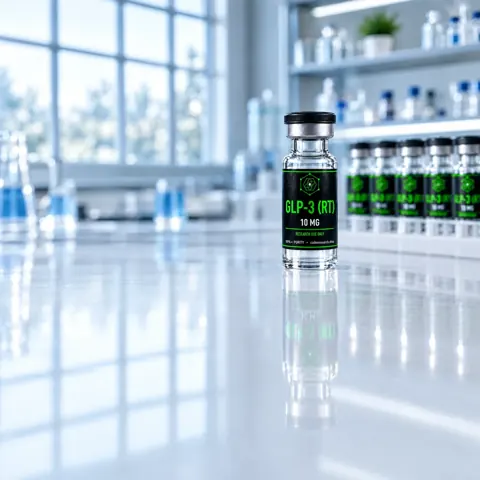 Full walkthrough · JournalWhat research use only means
Questions
Research use only: the material is intended for laboratory research, not diagnostic, clinical, human or veterinary use.
In U.S. regulation it is defined for diagnostic products under 21 CFR 809.10(c)(2)(i).
No. It describes intended use, not purity or identity.
It is an informal term with no single published standard; its meaning varies by seller.
ACS reagent grade means a material meets published ACS specifications. Research grade has no such standard.
The label must be consistent with how the product is actually intended and marketed.
By lot-level testing: identity, purity and a certificate tied to the lot.
Sources and standards
Written and reviewed by the Codex Research quality team · Last reviewed November 8, 2026 · For laboratory research use only.
On real products
See research use only in context on real Codex research products, then read the full guide.
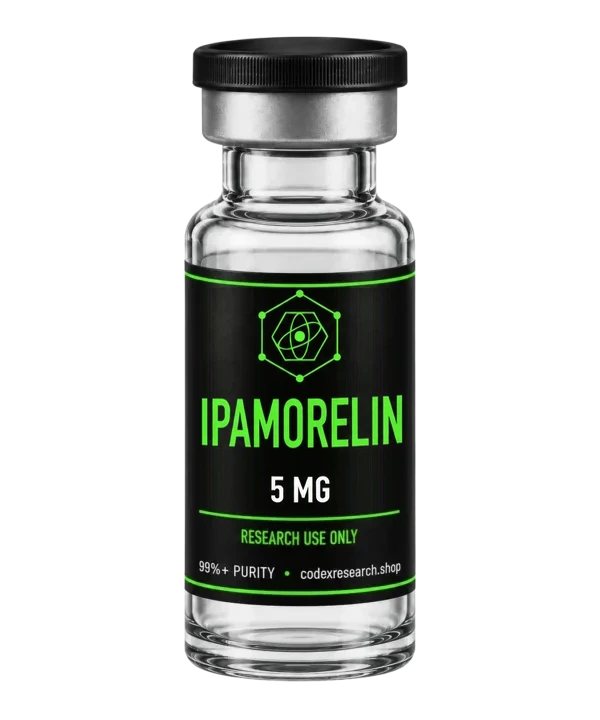 GH axis
Research peptide
GH-Axis Research
Ipamorelin is a five-residue synthetic peptide, Aib-His-D-2-Nal-D-Phe-Lys-NH2, studied as a selective agonist at the ghrelin receptor. Lot-tested by RP-HPLC.
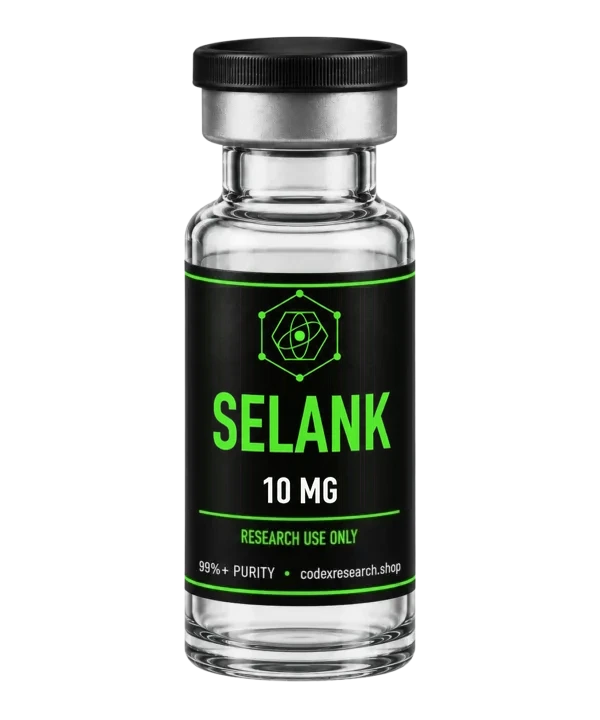 Neuro
Research peptide
Neuropeptide Research
Selank is a seven-residue tuftsin analogue, Thr-Lys-Pro-Arg-Pro-Gly-Pro, studied in enkephalinase and neurotransmission gene-expression research. Lot-tested by LC-MS.
 Cellular
Research peptide
Cellular Research
Epithalon (Epitalon) is a synthetic four-residue peptide, Ala-Glu-Asp-Gly, studied in telomerase and pinealocyte research. 10 mg and 50 mg vials, lot-tested by HPLC.
Journal guideWhat research use only meansRead the guideKeep going
 From lab to your door
U.S.-made research vials, shipped with lot-matched, lab-tested COAs you can scan straight off the label.

21+ Only
Codex Research provides research-grade compounds for laboratory and research use only. By entering, you confirm you are at least 21 and agree to our Terms & Conditions.
By proceeding you affirm the statements above are true. Products are supplied for laboratory research use only — not for human or veterinary use, not for use in diagnostic procedures, and not evaluated by the U.S. Food and Drug Administration. Full disclaimer.


