

People ask whether research peptides are legal more than any other question about them. The answer turns on intended use, not on the molecule or the label. This guide sets out the federal rules, what FDA warning letters from 2024 to 2026 relied on, what changed for compounding pharmacies, and what states have done so far.
Key takeaways
- U.S. law has no category called "research peptides". It regulates drugs, and a peptide is a drug in the legal sense when it is intended for use in people or animals.
- Intended use is judged by everything a seller says and does. Under 21 CFR § 201.128, that includes labeling, advertising and the circumstances of sale, not only the words on the vial.
- Seven FDA warning letters from December 2024 to August 2026 rejected "research use only" statements where a website showed the products were meant for human use.
- The FDA's compounding categories and its July 2026 advisory meeting concern what pharmacies may compound under a prescription. They do not approve any peptide and do not govern laboratory supply.
- State action in 2026 has addressed licensed clinicians and pharmacies. Louisiana passed a law on compounded peptides, and a California bill on a state research program had not passed as of its last committee action.
ImportantNot legal advice. This guide summarizes publicly available U.S. statutes, regulations, FDA documents and state bills for general information, as of November 2026. Laws and enforcement change. Codex Research compounds are not approved by the FDA and are sold for in-vitro laboratory research only, not for human or animal consumption.
Quick answer
U.S. law has no category called "research peptides". Federal law regulates drugs, and a peptide is a drug in the legal sense when it is intended for use in people or animals [1]. Selling a drug for human use without an approved application is unlawful [2]. Supplying the same molecule to a laboratory for in-vitro research is a different activity, and regulations set out a caution statement for materials shipped for that purpose [4].
So the honest answer has three parts:
- Intended use decides the legal status, not the molecule and not the label [1, 3].
- A "research use only" statement does not protect a seller whose website shows the product is meant for people. Seven FDA warning letters from 2024 to 2026 say so directly [5, 6, 7, 8, 9, 10, 11].
- Most of the 2026 news is about compounding pharmacies and clinics, which sit under different rules from laboratory supply [12, 14, 15].
Three kinds of peptide product
Much of the confusion comes from treating three different things as one. The same peptide name can appear in all three columns.
| Approved drug | Compounded drug | Research material | |
|---|---|---|---|
| What it is | A finished product reviewed and approved by the FDA | A preparation made by a licensed pharmacy for a patient | A laboratory material supplied for in-vitro research |
| Who supplies it | Manufacturers, through pharmacies | Compounding pharmacies and outsourcing facilities | Research chemical suppliers |
| How it reaches someone | Prescription | Prescription | Order for laboratory use |
| Main rules | New drug approval under 21 U.S.C. § 355 [2] | Sections 503A and 503B of the same Act, with FDA lists of permitted bulk substances [12] | Intended-use rules, and the caution statement in 21 CFR § 312.160 [3, 4] |
| Approved for use in people | Yes, for its labeled use | Not FDA-approved as a product | No |
When someone asks "can you legally buy peptides now?", they are often mixing a question about compounded drugs with a question about research materials. The answers are different.
What federal law regulates
The Federal Food, Drug, and Cosmetic Act defines a drug by what it is intended to do. An article is a drug when it is intended for use in the diagnosis, cure, mitigation, treatment or prevention of disease, or intended to affect the structure or any function of the body [1]. A "new drug" may not be introduced into interstate commerce without an approved application [2].
Two consequences follow.
- The definition follows the purpose, not the chemistry. A peptide in a vial is not automatically a drug. It becomes one, legally, when it is offered for use in or on a person or an animal.
- Purpose is read from conduct. 21 CFR § 201.128 says intended use may be shown by labeling claims, advertising matter, and oral or written statements by the seller or its representatives, and by the circumstances surrounding distribution [3].
The same molecule, two legal positions
Take one vial and two sellers.
- Seller A lists the compound with its sequence, molecular weight, lot number and a certificate of analysis. The page summarizes published laboratory studies and states that the material is for in-vitro research. Nothing on the site describes use in a person.
- Seller B lists the same compound with the same research-use line. The page describes what the compound does for the person taking it, and the site sells supplies and guides for personal use beside it.
The chemistry is identical. Under 21 CFR § 201.128, the intended use is not [3]. Seller B's product is what the warning letters below describe: an unapproved new drug, whatever the label says.
For materials that stay in the laboratory, 21 CFR § 312.160 describes drugs shipped solely for tests in vitro or in laboratory research animals, and the caution statement those shipments carry [4]. Our guide to what Research Use Only means covers that label in detail.
What FDA warning letters cited, 2024 to 2026
Warning letters are public, and they show how the agency applies the intended-use rule. Each of the seven letters below went to a seller that described its products as for research. In each one, the FDA wrote that, despite those statements, evidence from the seller's website established that the products were intended to be drugs for human use, and it classed them as unapproved new drugs.
| Date | Recipient | What the FDA pointed to |
|---|---|---|
| December 10, 2024 | Summit Research Peptides [5] | Product pages that described the products as drugs acting on the body, beside "research use only" wording |
| December 10, 2024 | Xcel Research LLC [6] | Product-page statements about benefits in "research subjects" |
| February 26, 2025 | USApeptide.com [7] | Claims on the website; the letter also notes that approved versions of two of the drugs exist, but not the seller's |
| March 31, 2026 | Gram Peptides [8] | Product labeling and website content, despite "not intended for human consumption" statements |
| June 17, 2026 | Wholesale Peptide [9] | Website and labeling content reviewed in May 2026 |
| August 24, 2026 | Peak Performance Peptides [10] | Website claims, and a companion product marketed for preparing the peptides for use |
| August 24, 2026 | Royal Peptides LLC [11] | Website claims, and companion supplies and how-to resources sold beside the vials |
Three patterns run through them.
- Claims about the body. Describing what a compound does for a person is the most common evidence cited.
- Disclaimers that contradict the page. A research-use line at the bottom did not outweigh the content above it.
- Selling the means of personal use. The two August 2026 letters note that supplies and resources offered with the peptides provided the means to prepare a drug for human administration [10, 11].
The lesson for a buyer is practical. How a supplier presents its products is the best public signal of whether it is operating as a research supplier.
Compounding rules are a separate track
A large share of peptide headlines concern compounding: pharmacies preparing a drug for an individual patient under a prescription. The FDA keeps lists of bulk substances nominated for that purpose, sorted into three categories [12].
| Category | Meaning in FDA's interim policy |
|---|---|
| Category 1 | Bulk substances under evaluation |
| Category 2 | Bulk substances that raise significant safety concerns |
| Category 3 | Substances nominated without adequate support |
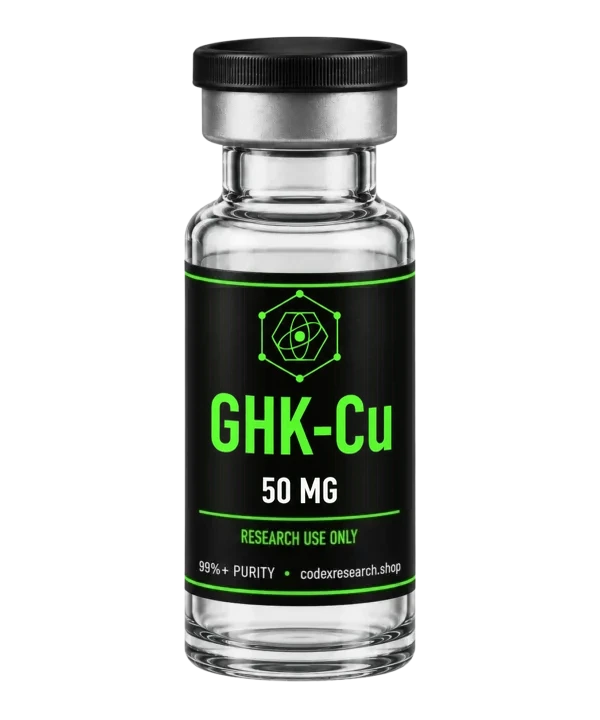
Several peptides were placed in Category 2 in September 2023, and the FDA publishes its reasons substance by substance [13]. The lists have moved since then. The May 14, 2026 update lists a short set of substances in Category 2 for section 503A, Kisspeptin-10 among them, and notes that GHK-Cu will return to Category 1 for some uses [12]. A number of other peptides now appear on the FDA's page as nominated but withdrawn [13].
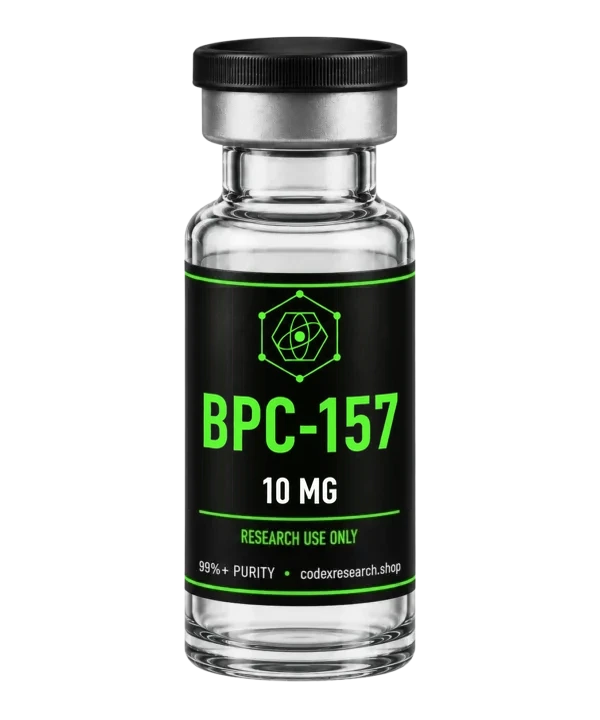
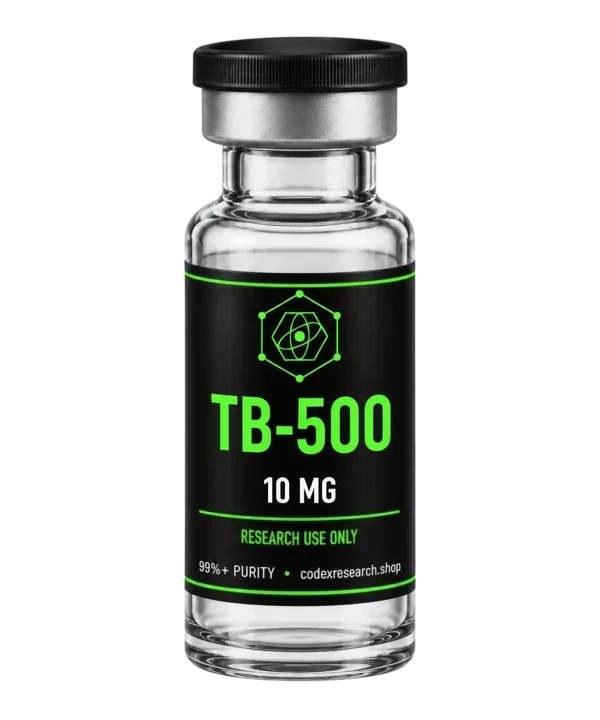
On July 23 and 24, 2026, the FDA's Pharmacy Compounding Advisory Committee met to discuss seven peptide-related substances for possible inclusion on the 503A list: BPC-157, KPV, TB-500, MOTS-c, emideltide, Semax and Epitalon [14].
Two points keep this in proportion.
- These lists govern what a pharmacy may compound. Placement in a category is not an approval and not a ban on a molecule.
- They do not set the rules for laboratory supply. A research material does not become a medicine because a pharmacy may compound the same substance, and it does not become unlawful because a pharmacy may not.
What states have done in 2026
State law mostly reaches peptides through licensing boards, which regulate physicians, nurses and pharmacists. The clearest 2026 examples concern clinical practice.
- Louisiana. Senate Bill 253, effective August 1, 2026, provides that licensing boards may not prohibit licensed prescribers from providing peptides to patients, or licensed pharmacists from compounding and dispensing them, where the peptides come from compounding facilities that comply with federal rules [15, 16]. A trade association summary notes that the law defers to federal rules and the standard of care, and does not expand anyone's scope of practice [16].
- California. Assembly Bill 2442 would create a state program for peptide research and supervised investigational access, with reporting to the Department of Public Health. It was introduced in February 2026 and referred to committee, and it had not become law as of its last listed action [17].
Neither measure covers research materials sold for laboratory use. The federal framework above applies in every state, and a state can add rules of its own. For anything beyond laboratory research, check current law where you are.
A timeline, 2023 to 2026
The events people cite as "peptides were banned" or "peptides are legal again" are the entries below. Most concern compounding or enforcement against specific sellers.
| Date | What happened | Who it affects |
|---|---|---|
| September 29, 2023 | FDA places several peptides in Category 2 of its interim compounding policies [13] | Compounding pharmacies and outsourcing facilities |
| December 10, 2024 | FDA sends warning letters to Summit Research Peptides and Xcel Research [5, 6] | Online sellers presenting products for human use |
| February 26, 2025 | FDA sends a warning letter to USApeptide.com [7] | Online sellers |
| March 31, 2026 | FDA sends a warning letter to Gram Peptides [8] | Online sellers |
| May 14, 2026 | FDA updates its list of bulk substances nominated under section 503A [12] | Compounding pharmacies |
| June 17, 2026 | FDA sends a warning letter to Wholesale Peptide [9] | Online sellers |
| July 23 and 24, 2026 | FDA's Pharmacy Compounding Advisory Committee discusses seven peptide-related substances [14] | Compounding pharmacies |
| August 1, 2026 | Louisiana Senate Bill 253 takes effect [15] | Louisiana prescribers and pharmacists |
| August 24, 2026 | FDA sends warning letters to Peak Performance Peptides and Royal Peptides [10, 11] | Online sellers |
None of these entries approved a research material for use in people, and none made laboratory research with a peptide unlawful.
What this means if you buy for a laboratory
For a research buyer, the legal questions and the quality questions point to the same checks.
- Read the product pages. They should describe the material and summarize published laboratory research. They should not describe personal results.
- Ask for the certificate of analysis for your lot. A real one names the laboratory and matches the lot number on the vial. Our guide to spotting a fake COA lists what to look for.
- Read the terms of sale. A research supplier states that products are for laboratory research and sets expectations for buyers.
- Keep records. Order confirmations, certificates and lot numbers belong in the laboratory's files.
- Keep the material in the laboratory. Research materials are not for human or animal use.
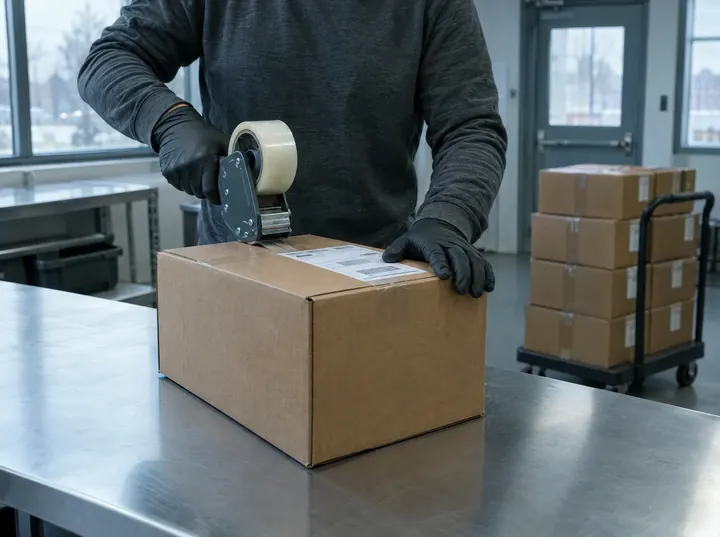
Delivery works the same way in every state we ship to. Our shipping guides cover timing and packaging by state and city, including Texas, Florida, New York and California.
How to read a supplier's website the way a regulator would
The warning letters give a buyer a usable test. Open the supplier's site and look for four things.
- What the product pages talk about. A research supplier describes the material: identity, purity, lot and published laboratory findings. A page that describes results for a person is what the FDA quoted in its letters [5, 6, 8].
- What is sold beside the vials. The August 2026 letters treated companion supplies and how-to resources for personal use as evidence of intent [10, 11].
- Whether the page agrees with its own disclaimer. A research-use statement that the rest of the page contradicts carried no weight in any of the seven letters.
- Whether the paperwork is real. A certificate of analysis should name the testing laboratory and match the lot on the vial. Our guides to HPLC and mass spectrometry and purity grades explain what a certificate should show.
A supplier that passes all four is treating research use as a rule it follows, not a phrase it prints.
What this guide does not cover
Three questions sit outside this article, and each has its own body of rules.
- Controlled substance schedules. Scheduling is set by separate federal and state law and can change. Check the current schedules for any compound you work with.
- Imports. Materials entering the United States are subject to FDA and customs review at the border. Our guide to U.S.-made and imported peptides covers why origin matters.
- Institutional and sporting rules. Universities, employers and sports bodies set their own policies, which can be stricter than the law.
Common misconceptions
"Research use only on the label makes it legal." The label states the intended use. It does not override a website that shows a different one [3, 5, 8].
"The FDA banned peptides." The Category 2 policy tells compounders which bulk substances raise safety concerns. It is not a prohibition on a molecule, and the lists have changed since 2023 [12, 13].
"If a pharmacy can compound it, the research version is approved too." Compounding eligibility and research supply are separate. Neither one is FDA approval of a product [12].
"State law decides it." The core rules are federal. State boards add rules for the professionals they license [15, 16].
"Purity makes it lawful." Quality and legal status are different questions. A certificate shows what is in the vial. It says nothing about what the vial may be used for.
How Codex Research operates
Codex Research supplies compounds for in-vitro laboratory research only. Our products are not approved by the FDA and are not for human or animal consumption. Product pages summarize published laboratory research rather than personal-use claims, and where a lot's results have been reported, the page shows the lot-specific certificate of analysis so a buyer can document what was received. Questions about a lot, a certificate or our terms can go to info@codexresearch.shop.
Frequently asked questions
Are research peptides legal to buy in the United States?
Can you legally buy peptides now?
Is a "research use only" label enough to make a sale legal?
Why does intended use matter so much?
How does the FDA decide what a product is intended for?
Did the FDA ban peptides?
What changed for compounding pharmacies in 2026?
What is the difference between a research peptide and a compounded peptide?
Do I need a prescription for peptides?
Are peptides legal in Texas?
Are peptides legal in New York or New Jersey?
What does Louisiana's 2026 peptide law do?
Can a research peptide be used on people or animals?
How can I tell a legitimate research supplier?
Is this article legal advice?
References
- Federal Food, Drug, and Cosmetic Act § 201, 21 U.S.C. § 321, Definitions.
- Federal Food, Drug, and Cosmetic Act § 505, 21 U.S.C. § 355, New drugs.
- Electronic Code of Federal Regulations. 21 CFR § 201.128, Meaning of "intended uses".
- Electronic Code of Federal Regulations. 21 CFR § 312.160, Drugs for investigational use in laboratory research animals or in vitro tests.
- U.S. FDA. Warning Letter, Summit Research Peptides, MARCS-CMS 695607, December 10, 2024.
- U.S. FDA. Warning Letter, Xcel Research LLC, MARCS-CMS 694608, December 10, 2024.
- U.S. FDA. Warning Letter, USApeptide.com, MARCS-CMS 696885, February 26, 2025.
- U.S. FDA. Warning Letter, Gram Peptides, MARCS-CMS 721806, March 31, 2026.
- U.S. FDA. Warning Letter, Wholesale Peptide, MARCS-CMS 729447, June 17, 2026.
- U.S. FDA. Warning Letter, Peak Performance Peptides, MARCS-CMS 735127, August 24, 2026.
- U.S. FDA. Warning Letter, Royal Peptides LLC, MARCS-CMS 734884, August 24, 2026.
- U.S. FDA. Bulk Drug Substances Nominated for Use in Compounding Under Section 503A of the Federal Food, Drug, and Cosmetic Act. Updated May 14, 2026.
- U.S. FDA. Certain Bulk Drug Substances for Use in Compounding that May Present Significant Safety Risks.
- U.S. FDA. July 23-24, 2026: Meeting of the Pharmacy Compounding Advisory Committee.
- Louisiana Legislature. Senate Bill 253, 2026 Regular Session (reengrossed text and digest).
- American Med Spa Association. New Louisiana Peptide Protections. August 13, 2026.
- CalMatters Digital Democracy. AB 2442: Peptides, 2025-2026 session.










 From lab to your door