

A certificate of analysis describes one lot. This guide shows which five fields tie a report to the vial in your hand, what the sample ID and received date mean, when one report can cover more than one vial size, and what to do when the lot numbers differ.
Key takeaways
- Five fields tie a report to a vial: compound name, fill size, lot number, report ID and report date. A lot number alone is not a match.
- Federal rules define a lot number as a code from which the complete history of a batch can be determined. The report ID and the sample ID are different numbers with different jobs.
- A lab report covers the sample the lab received. It extends to the rest of the lot only because the sample was drawn from that lot.
- Identity and purity describe the peptide. Assay describes one fill size. A report run on one size does not state the content of another.
- When the lot on the vial differs from the lot on the report, set the report aside and ask the supplier for the certificate for your lot.
ImportantResearch use only. This guide explains how a test report is tied to a production lot. It does not describe human or animal use. Codex Research compounds are not evaluated or approved by the FDA and are sold for in-vitro laboratory research only.
Quick answer
To match a peptide COA to your vial, compare five fields: compound name, fill size, lot number, report ID and report date. The first three must read the same on the label and on the report. If the lot numbers differ, the report describes a different production run. Ask the supplier for the certificate for your lot.
Lot, batch and control number: what the words mean
Federal drug-manufacturing rules give these terms fixed meanings, and research suppliers borrow them.
- A batch is a specific quantity of material intended to have uniform character and quality, made under a single manufacturing order in one production run [1].
- A lot is a batch, or a specific identified portion of a batch [1].
- A lot number, control number or batch number is any distinctive combination of letters, numbers or symbols from which the complete history of manufacture, processing, packing, holding and distribution can be determined [1].
The last definition explains why the match matters. The lot number is the key to every record made about that material, and a test report is one of those records. See lot number and COA in the glossary.
Four numbers on a report, and which one is the lot
A COA can carry four identifiers, and people mix them up.
| Identifier | Who assigns it | What it identifies | Changes with each production run? |
|---|---|---|---|
| Product name or catalog number | Supplier | The item for sale | No |
| Lot or batch number | Maker | One production run | Yes |
| Sample ID or registration number | Testing lab | The physical sample the lab received | Yes, with each sample |
| Report ID or certificate number | Testing lab | The document | Yes, with each report |
The WHO model certificate lists the last two as separate fields: a registration number for the sample and an identification number for the certificate, beside the batch number of the material [2]. Only the lot number appears on the vial. The other lab numbers are for confirming the report with the lab that issued it, which our guide to third-party testing covers.
Where to find the lot number
Look in four places and expect the same code in each.
- The vial label. The lot is printed near the compound name and fill size.
- The COA header. It appears beside the compound, labeled Lot, Lot No. or Batch.
- The product page, if the supplier publishes the report there.
- The packing slip or order confirmation, for suppliers that record lots per shipment.
A report that shows the lot only in a file name, or in a footer added over the image, gives you less to go on than one where the lab printed it in the header.
The five-field match
Work through the fields in this order. Stop at the first one that fails.
| Field | On the vial | On the report | Match rule |
|---|---|---|---|
| Compound name | Label | Header | Same compound, same salt form if stated |
| Fill size | Label | Header or sample description | Same milligrams per vial |
| Lot number | Label | Header | Identical, character by character |
| Report ID | Not on the vial | Header | Present, so the lab can confirm it |
| Report date | Not on the vial | Header or footer | Before the lot went on sale |
Compound and fill size come before the lot number because a lot code means something only within one product. Two different compounds that show the same code are two different materials, and each needs its own report naming it. Our guide to reading a COA line by line picks up where this table ends, at the first result row.
Sample ID and received date: the lab's side of the record
The lot number tells you which run the maker says a sample came from. The lab's own entries tell you what arrived at its door.
The WHO model asks a certificate to show the sample's registration number, the date the lab received it and the quantity received [2]. Federal rules for drug-testing laboratories go further. The lab record has to describe the sample received, with its source, quantity, lot number or other distinctive code, the date the sample was taken and the date the lab received it for testing [3].
Read the dates as a timeline:
- Received date before the sale date. The lot was tested, then released.
- Report date long after the received date. A gap of months between receipt and report is worth a question to the supplier.
- Received date after your delivery date. The report was produced after the lot was already in customers' hands.
Some reports show a report date and nothing else. That is common and not a fault by itself. It leaves the timeline open, and the supplier can fill it in.
A report covers the sample the lab received
Matching the lot is a claim about the vial. The lab makes a narrower claim. ISO/IEC 17025, the standard testing labs are accredited against, requires each report to state that the results relate only to the items tested [4]. European Accreditation explains the purpose: the statement makes clear that the results cannot be extended to other items [5]. The U.S. accreditation body A2LA says the same of its labs' reports, which apply to the tested item under the documented conditions [6].
In short, the lab tested one or a few vials and reported on those. The step from "this vial" to "this lot" is made by the party that drew the sample and vouches that it represents the run. Our guide to what a peptide COA can't tell you follows that step further. The glossary entries on ISO 17025 and chain of custody define the terms.
How a sample comes to stand for a lot
The step from sample to lot rests on two ideas from drug manufacturing.
The first is uniformity. A batch is defined as material intended to have uniform character and quality [1]. If the run was uniform, any vial should resemble the rest.
The second is representative sampling. Federal rules require drug makers to collect representative samples of each shipment of each lot of an incoming material for testing [7], and FDA's own explanation of that rule repeats the phrase: each shipment of each lot [8]. One good report on an earlier delivery does not clear the next one.
For a research vial, the equivalent question is short. Who took the sample, and from which lot? A report where the supplier selected finished vials from the labeled lot and sent them to the lab answers it. A report on bulk powder tested before filling describes the peptide and says less about the finished vials. See how peptides are made and what lyophilized means for the steps between bulk powder and a sealed vial.
Can one COA cover several vial sizes?
Suppliers often sell one compound in two or three fill sizes and publish one report. Whether that report covers your size depends on the row.
| Row | Belongs to | Carries across sizes filled from the same peptide lot? |
|---|---|---|
| Identity (LC-MS) | The peptide | Yes |
| Purity (HPLC) | The peptide | Yes |
| Assay (mg per vial) | The fill | No |
| Water activity, pH | The filled, dried vial | Not assumed |
| Endotoxin, sterility, microbial counts | The filling run | Not assumed |
The reasoning follows from the definition of a lot as a batch or an identified portion of one [1]. A single batch of purified peptide filled at 5 mg and at 10 mg gives two portions. The molecule is the same in both, so identity and HPLC purity describe both. The amount in each vial, the dryness of the cake and anything picked up during filling belong to each fill.
Two questions settle it. Were both sizes filled from the same lot of peptide? Which size did the lab test? If the answers are "yes" and "the other one", read the identity and purity rows as yours and ask for an assay on your size. The glossary page on net peptide content explains why assay and label can differ.
Near matches: typing errors and formats
Most mismatches are small. Check these before you write to the supplier.
- O and 0, I and 1. Label printers and report templates use different typefaces.
- Prefixes. "LOT AB1234" and "AB1234" are the same code with a label word attached.
- Hyphens and spaces. "CD-5678" and "CD5678" usually refer to one lot. Confirm it.
- Suffixes. A trailing "-A" or "-2" can mark a portion of a batch, such as a second fill. That is a different lot under the federal definition [1].
- Dates inside the code. Many makers build the production date into the lot code. A code that reads as a date later than the report date deserves a question.
When a difference could be a typing error or a separate lot, the supplier's records decide which.
What to do when the lot does not match
- Stop using the report as evidence for that vial. It describes other material.
- Check the near-match list above.
- Check whether the page shows a sample report. Some suppliers post one certificate as an example of their testing. It tells you what they test for and nothing about your lot.
- Write to the supplier with the lot number on your vial, your order number and a photo of the label. Ask for the certificate for that lot.
- Record the outcome: the date you asked, what you received and the report ID.
- Decide what the gap means for your work. A vial with no matching report is a vial of unverified identity and purity. Whether that is acceptable depends on the experiment.
The Ghent University study shows what is at stake when a report and a material part ways. All 98 peptides the group ordered came with certificates stating at least 95.0% purity, and 43 met that figure on re-test [11]. Those certificates were issued for the peptides they arrived with. A report for a different lot offers less than that.
Relabeled and white-label vials: two lot numbers
Many research peptides are made by one company, filled by another and sold under a third company's label. Each step can assign its own number.
ICH Q7 addresses this for active ingredients. When a repacker, agent or broker issues a new certificate, it should show the name and address of the laboratory that performed the analysis, refer to the original manufacturer and to the original batch certificate, and attach a copy of that original [9]. The WHO model says the same of repackers and traders [2].
For a research vial, that sets a fair expectation. If the lot on your label was assigned by the seller, the seller should be able to say which maker's batch sits behind it and show the report that names either number. See white label in the glossary and our guide to US-made and imported peptides for how supply chains differ.
Why regulated buyers check identity themselves
Drug makers receive a certificate with every incoming material, and the rules do not let them stop there.
- A maker may accept a supplier's report of analysis in place of its own testing only if it runs at least one specific identity test itself and establishes the reliability of the supplier's analyses at appropriate intervals [7].
- ICH Q7 expects full analyses on at least three batches before a maker reduces its own testing, and a full analysis at intervals afterward, compared with the certificate [9].
- FDA's training slides put the point in one line: a maker may rely on a supplier certificate for some attributes and never for identity [10].
A research lab is not a drug maker, and nothing obliges it to re-test. The rules still show how professionals read a certificate: as one input, tied to one lot, from a supplier whose reports have been checked before. Matching the lot is the least expensive part of that habit. For the instruments involved, see HPLC versus mass spectrometry and mass spectrometry.
Lot matching and time
A match ties the vial to a test date. It does not move with the calendar. ICH Q1A(R2) describes stability testing as the way to learn how quality varies with time under temperature, humidity and light, and it defines a re-test period as the time a substance is expected to stay within specification under defined storage conditions [12]. The same guideline bases that period on data from at least three batches.
Two practical points follow. A report dated well over a year before your order matched the lot when the lab ran it, and you can ask whether the lot has been looked at since. The WHO model also notes that a certificate used in trade may state the expected shipping and storage conditions, and that departing from them would invalidate it [2]. Our guide to peptides in transit covers what happens between the lab and your bench, and the glossary defines shelf life, stability study and degradation.
Keeping your own lot record
The federal list of what a lab records about a sample makes a good template for a research notebook [3]. For each vial, write down:
- compound, fill size and lot number, copied from the label;
- supplier and order number;
- date received and how the parcel arrived;
- report ID and report date, with the PDF saved beside the entry;
- where the vial is stored.
Save the PDF on the day the vial arrives. Product pages show the current lot, and the report for yours may be replaced when the next lot goes on sale. An experiment can be traced to its material only if the lot is written down somewhere that outlasts the web page.
Common misconceptions about lot matching
"The compound name matches, so the report is mine." The name stays the same from run to run. The lot is what changes.
"A lot number on the report proves the report is real." A code is easy to type. The report ID, confirmed with the lab, is the check on the document. See how to spot a fake COA.
"One report covers every size." Identity and purity can. Assay cannot.
"A matching lot means my vial was tested." It means a sample from that lot was tested. Your vial was not opened.
"Sample ID and lot number are the same thing." The lab assigns one and the maker assigns the other.
What a lot match does not tell you
A match is necessary and it is the start. It says nothing about how selective the purity method was, which tests the lab left out, or what heat did to the vial in transit. The purity grades guide and the endotoxin testing guide cover two of the rows worth reading once the lot is confirmed.
Compounds sold for laboratory research fall under the framework in 21 CFR § 312.160, which requires a label stating they are for in-vitro or laboratory-animal research and not for use in humans [13]. See what research use only means and whether research peptides are legal.
How Codex Research labels lots
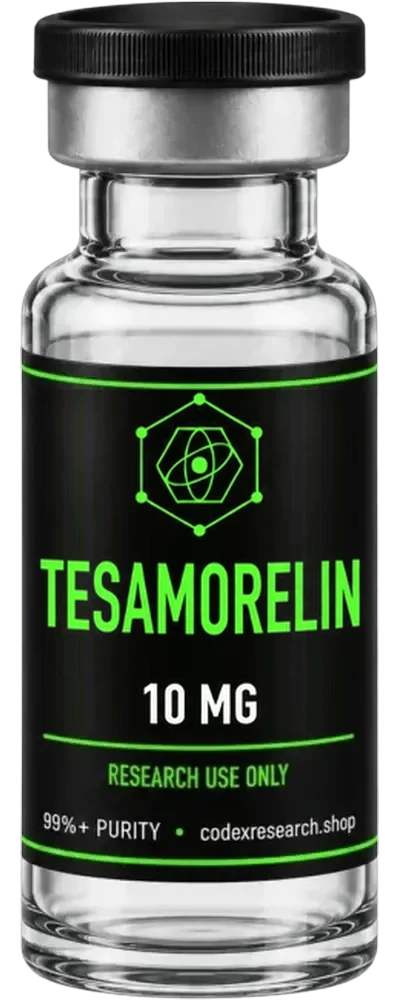
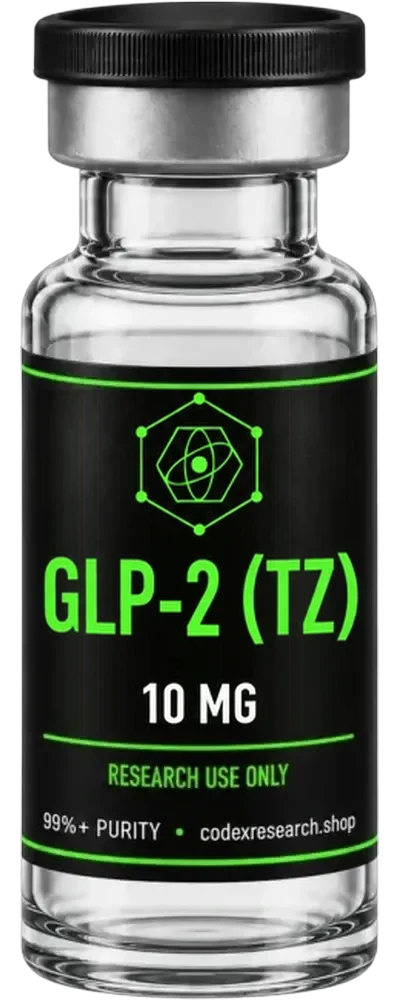
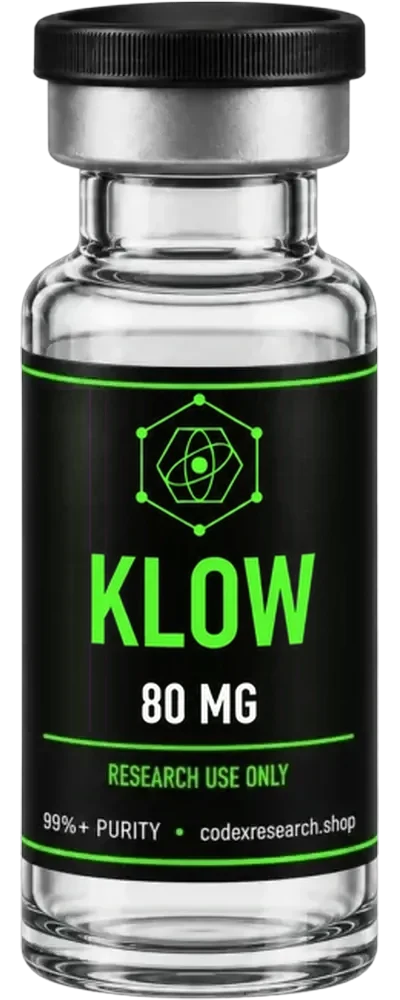
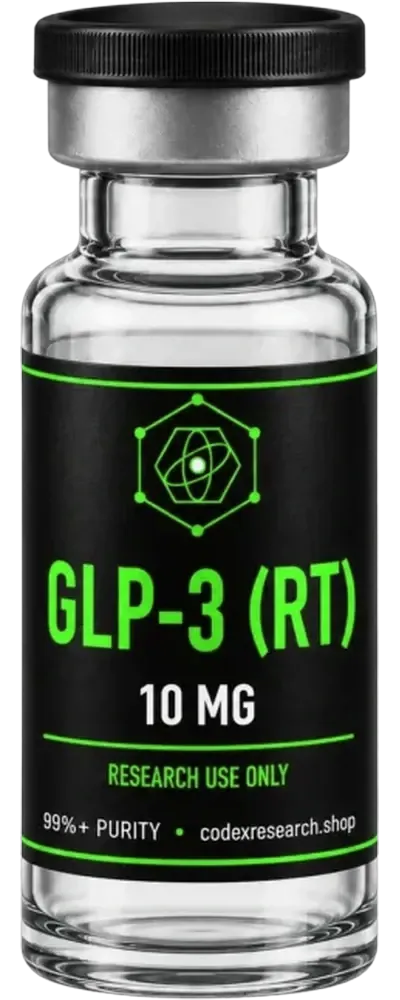
Each Codex Research vial carries its lot code on the label. Codex compounds are lab tested. When results for a lot are in, its product page lists the lot code and HPLC purity above the test table, with the certificate available to download. The header of each report names the compound and the fill size the lab tested, so you can run the five-field match before you order and again when the vial arrives.
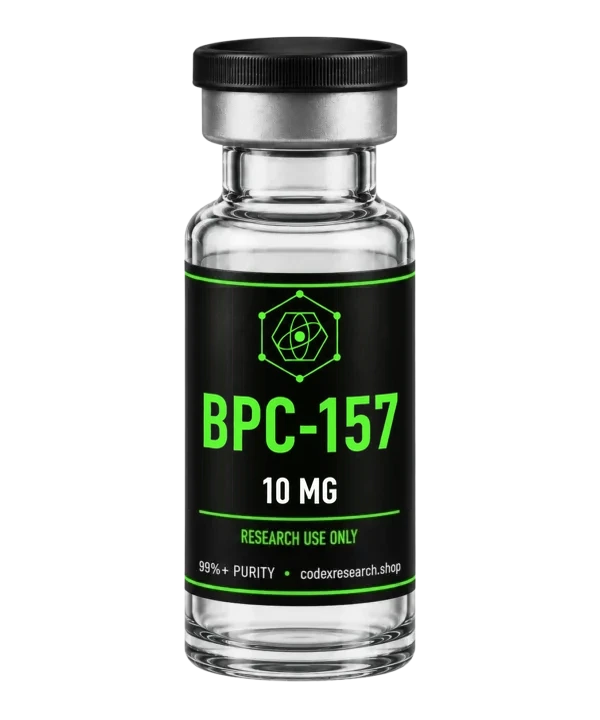
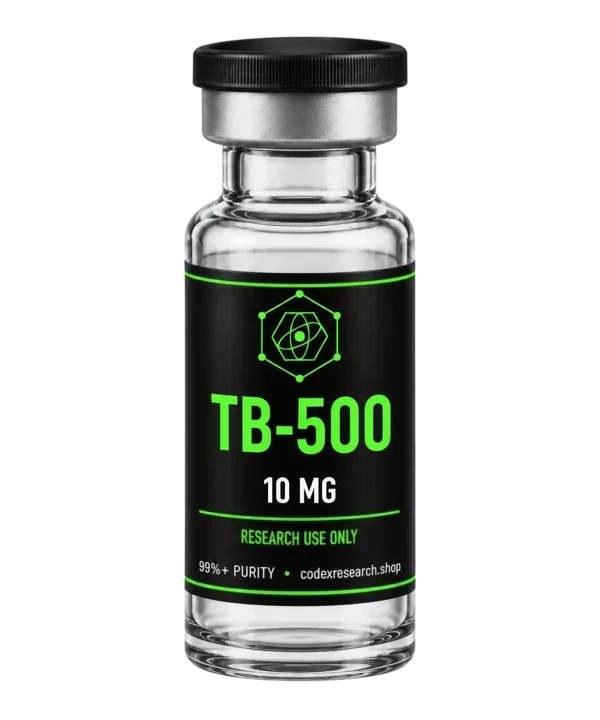
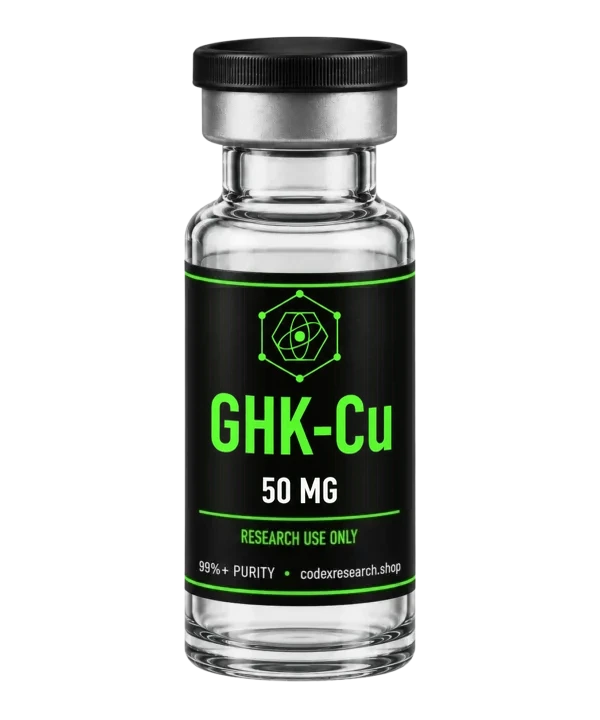
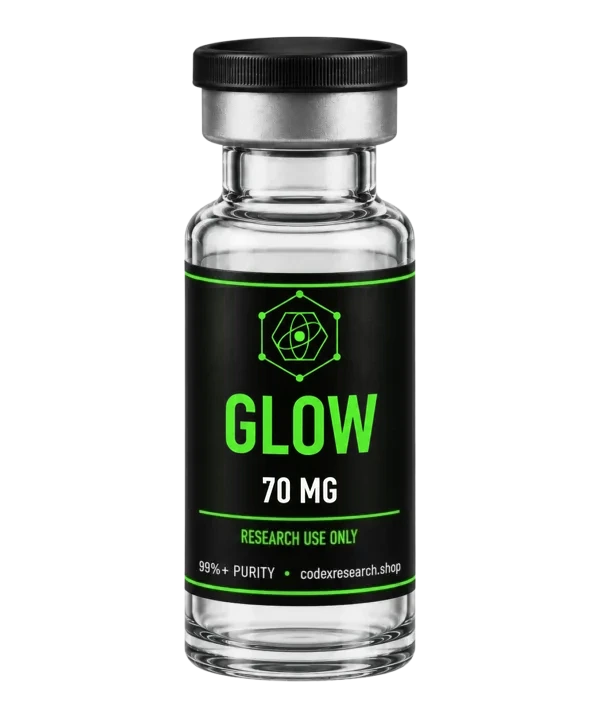
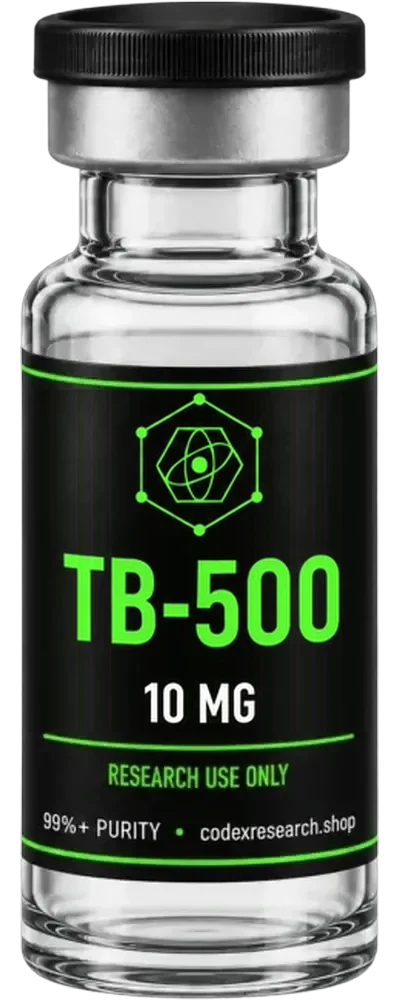
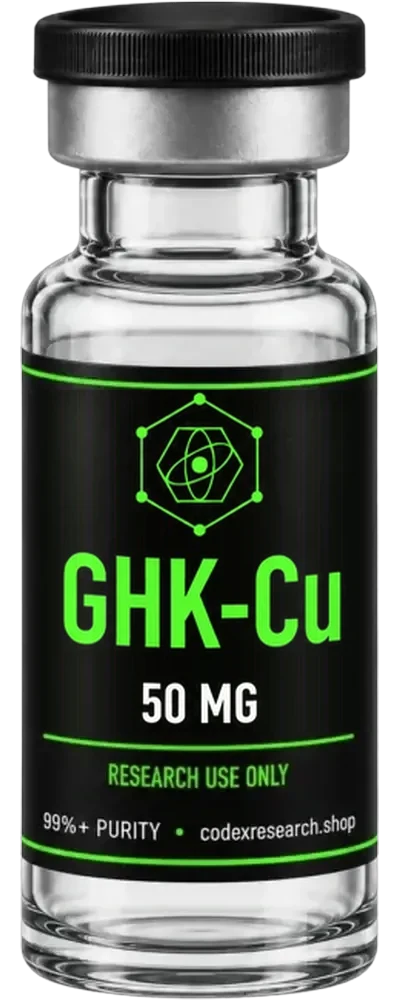
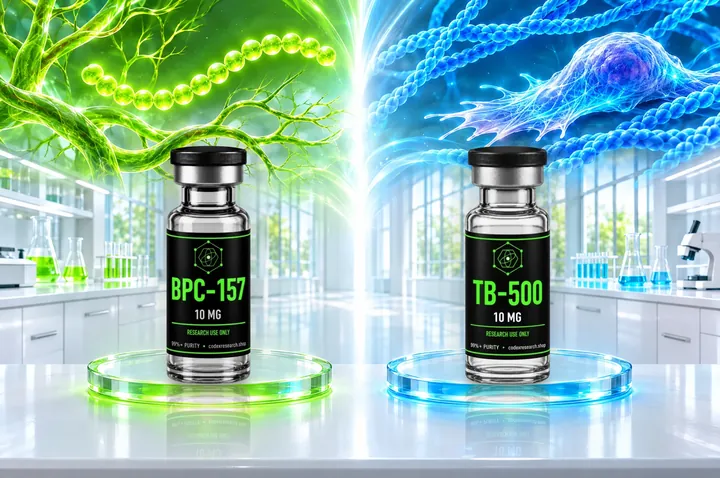
You can see the layout on the pages for BPC-157, TB-500, MOTS-c and GHK-Cu, on blends such as Glow and Klow, or across the full shop. If the lot on your vial differs from the report on the page, or you need the report for a different fill size, write to info@codexresearch.shop with the lot code and ask for the certificate for that lot.
Frequently asked questions
How do you match a peptide COA to a lot number?
What if the peptide COA lot does not match the vial?
How do you match a peptide product to its COA?
What is RUO material lot matching?
Where is the lot number on a peptide COA?
What is the difference between a peptide lot number and a COA number?
Is a peptide lot number the same as the product name or catalog number?
What does sample identification mean on a peptide COA?
What does the sample received date on a peptide COA tell you?
Can one peptide COA be shared across vial sizes?
What causes a peptide COA report mismatch?
Is a lot the same as a batch?
Does a matching lot number prove the vial is what the report says?
Why do two vials of the same compound have different lot numbers?
How long should I keep a peptide COA and lot record?
References
- Electronic Code of Federal Regulations. 21 CFR § 210.3, Definitions (batch, lot, lot number).
- World Health Organization. Model certificate of analysis. WHO Technical Report Series 1010, Annex 4.
- Electronic Code of Federal Regulations. 21 CFR § 211.194, Laboratory records.
- National Institute of Standards and Technology. ISO/IEC 17025 crosswalk, clause 7.8: Reporting of results.
- European Accreditation. FAQ 42.1: Question on reporting, ISO/IEC 17025:2017 clause 7.8.2.1 l).
- American Association for Laboratory Accreditation (A2LA). Article on what accredited test results cover.
- Electronic Code of Federal Regulations. 21 CFR § 211.84, Testing and approval or rejection of components, drug product containers, and closures.
- U.S. FDA. Questions and Answers on Current Good Manufacturing Practice Requirements: Control of Components and Drug Product Containers and Closures.
- ICH. Q7 Good Manufacturing Practice Guide for Active Pharmaceutical Ingredients, sections 7.3 and 11.4.
- U.S. FDA. Presentation slides on component testing and reliance on supplier certificates of analysis.
- Verbeke F, Wynendaele E, Braet S, D’Hondt M, De Spiegeleer B. Quality evaluation of synthetic quorum sensing peptides used in R&D. J Pharm Anal. 2015;5(3):169-181.
- ICH. Q1A(R2) Stability Testing of New Drug Substances and Products.
- Electronic Code of Federal Regulations. 21 CFR § 312.160, Drugs for investigational use in laboratory research animals or in vitro tests.











 From lab to your door