AAA
Hydrolysis
Amino acid analysis
The peptide is hydrolyzed into its amino acids, which are separated and quantified. Confirms composition at the same time as measuring content.
(“NET PEP-tyde KON-tent”)
The number that explains why a pure peptide weighs more than the peptide in it.
The short answer
Net peptide content is the share of a lyophilized peptide powder’s total weight that is actually peptide, as opposed to bound water and counter-ions.
A peptide powder is never 100% peptide. Counter-ions from synthesis and water the powder holds onto make up the rest, so net peptide content typically lands somewhere around 60–90%. It is measured by amino acid analysis or nitrogen analysis, and it is a different number from HPLC purity.
Reviewed by the Codex Research quality teamUpdated Nov 8, 2026
Word study
Say it
net pep·tide con·tent
(“NET PEP-tyde KON-tent”)
Roots and origin
RootGreek
OriginOld French
Net is the trader’s word for what is left after deductions, the way net weight excludes the packaging. Net peptide content is exactly that: the peptide that remains once the weight of counter-ions and water has been taken away.
Around the world
Tap a language to hear it spokenDefinition
When a purified peptide is freeze-dried, the fluffy powder left behind is not pure peptide. Each positive charge on the peptide is paired with a counter-ion, most often trifluoroacetate or acetate, and the powder also holds on to water from the air. Net peptide content is the share of the total weight that is peptide once those are accounted for.
The peptide portion counted here includes every peptide-related molecule, the correct sequence and its peptide impurities together. That is the key difference from HPLC purity. Purity measures how much of that peptide is the intended sequence. Net peptide content measures how much of the powder's weight is peptide at all. A lot can be 99% pure and 75% peptide by weight, and both numbers are correct.
Typical values sit somewhere around 60–90%, and they vary for real reasons. Peptides with more basic residues carry more counter-ions. Heavier counter-ions such as trifluoroacetate weigh more than acetate or chloride. Peptides are often hygroscopic, so the water content shifts with lyophilization conditions, storage and how long the vial was open in humid air.
There are two standard ways to measure it. Amino acid analysis breaks the peptide down into its amino acids with strong acid, measures them and calculates how much peptide was present. Elemental analysis measures nitrogen: counter-ions such as trifluoroacetate, acetate and chloride and water contain no nitrogen, so the nitrogen in the powder comes from the peptide and can be converted into a peptide content. Both measure; neither should be confused with a theoretical calculation.
The practical reason it matters is weighing. A solution made up by weight from the powder contains less peptide than the weight on the balance suggests, by exactly the non-peptide share. For quantitative laboratory work, that gap can be larger than the difference between two purity grades, which is why net peptide content is worth knowing even when purity is excellent.
Methods
The peptide is hydrolyzed into its amino acids, which are separated and quantified. Confirms composition at the same time as measuring content.
The powder is combusted and its nitrogen measured. Counter-ions and water contain none, so nitrogen tracks the peptide.
Measures light absorbed by tryptophan and tyrosine at 280 nm. Quick, but only works for sequences containing them.
Subtracts measured water, counter-ion and residue content from 100%. Only as good as each of the separate measurements.
Interactive
Purity and net peptide content measure different things, and together they describe the whole powder. Set each one: the bar splits a hundred parts of powder into the target peptide, peptide impurities, and the non-peptide share of counter-ions and water.
One hundred parts of powder
Target peptide = net peptide content × purity. Net peptide content counts all peptide material, the correct sequence and its peptide impurities together; purity then splits that share between them.
For buyers
Without it, a powder that is 25% counter-ions and water looks identical to one that is all peptide. Content is what turns weight into peptide.
Purity describes the peptide material; content describes the powder. Read together, they account for everything in the vial.
Two lots with the same purity can differ in content by several points. Knowing both keeps quantitative work consistent from lot to lot.
At Codex Research
Every Codex Research product page shows the lot-matched certificate with identity and HPLC purity for the lot in stock. If net peptide content matters for your work, send the team the product and lot number and we will confirm what data is available for that batch.
See it live: the lot-matched certificate on the BPC-157 product page
Myth vs fact
Tap a card to flip it.
Watch for
Quick check
Two different numbers answering two different questions.
Amino acid analysis or nitrogen analysis are the standard ones.
TFA salts carry more non-peptide weight than acetate salts.
 Full walkthrough · JournalPeptide purity grades explained
Questions
The percentage of a peptide powder’s total weight that is peptide, after counter-ions and bound water are accounted for.
Commonly around 60–90%. It depends on the counter-ion, the number of charged residues and how much moisture the powder holds.
Purity is the fraction of the peptide that has the correct sequence. Net peptide content is the share of the whole powder that is peptide material.
Usually by amino acid analysis, which measures the amino acids after hydrolysis, or by elemental analysis of nitrogen, which only the peptide contributes.
A peptide salt always carries counter-ions, and lyophilized powders hold some water. Both add weight that is not peptide.
Yes. Trifluoroacetate is heavier than acetate or chloride, so the same peptide as a TFA salt has a lower content than as an acetate salt.
It can. Peptide powders are often hygroscopic, so absorbed moisture lowers the share of the weight that is peptide.
Sources and standards
Written and reviewed by the Codex Research quality team · Last reviewed November 8, 2026 · For laboratory research use only.
On real products
Every Codex lot is tested before it ships, and each product page publishes that lot’s certificate of analysis. See where net peptide content fits on a real product, then read the full guide.
 GH axis
Research peptide
GH-Axis Research
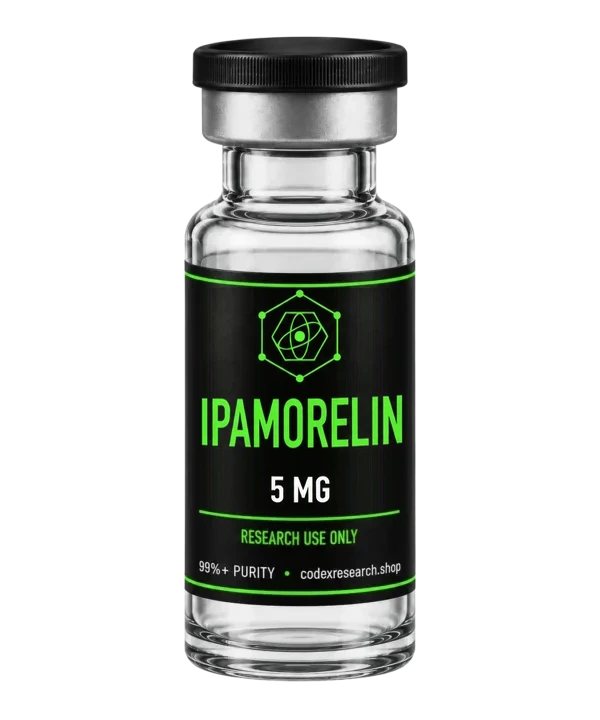
Ipamorelin is a five-residue synthetic peptide, Aib-His-D-2-Nal-D-Phe-Lys-NH2, studied as a selective agonist at the ghrelin receptor. Lot-tested by RP-HPLC.
 Neuro
Research peptide
Neuropeptide Research
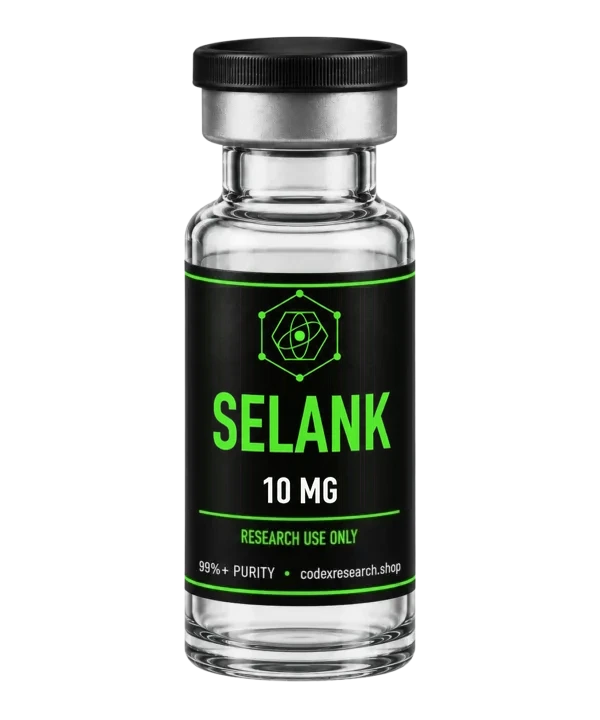
Selank is a seven-residue tuftsin analogue, Thr-Lys-Pro-Arg-Pro-Gly-Pro, studied in enkephalinase and neurotransmission gene-expression research. Lot-tested by LC-MS.
 Cellular
Research peptide
Cellular Research
Epithalon (Epitalon) is a synthetic four-residue peptide, Ala-Glu-Asp-Gly, studied in telomerase and pinealocyte research. 10 mg and 50 mg vials, lot-tested by HPLC.
Journal guidePeptide purity grades explainedRead the guideKeep going
 From lab to your door
U.S.-made research vials, shipped with lot-matched, lab-tested COAs you can scan straight off the label.

21+ Only
Codex Research provides research-grade compounds for laboratory and research use only. By entering, you confirm you are at least 21 and agree to our Terms & Conditions.
By proceeding you affirm the statements above are true. Products are supplied for laboratory research use only — not for human or veterinary use, not for use in diagnostic procedures, and not evaluated by the U.S. Food and Drug Administration. Full disclaimer.