


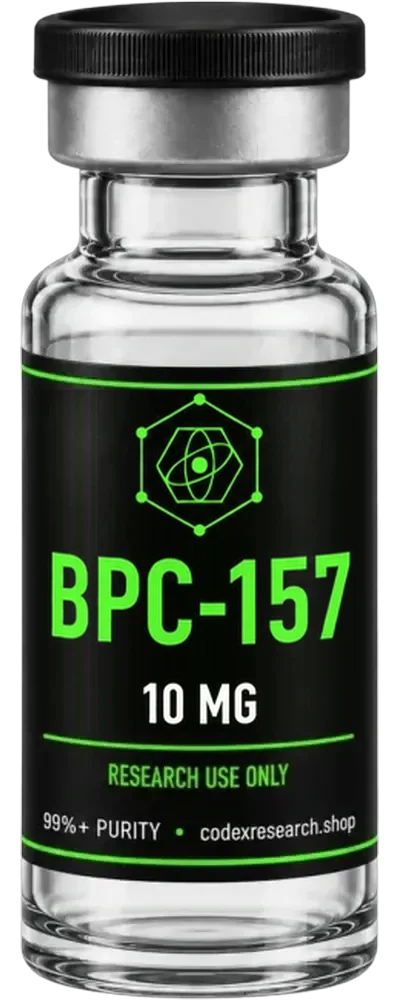
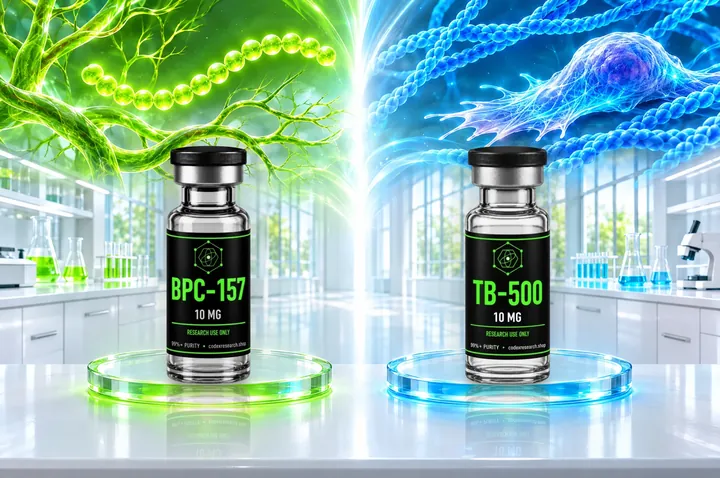
BPC-157 and TB-500 are the two peptides most often mentioned together in tissue-repair research, but they come from unrelated proteins and are studied through different mechanisms. This guide compares them on structure, origin, research pathways, strength of evidence and testing.
Key takeaways
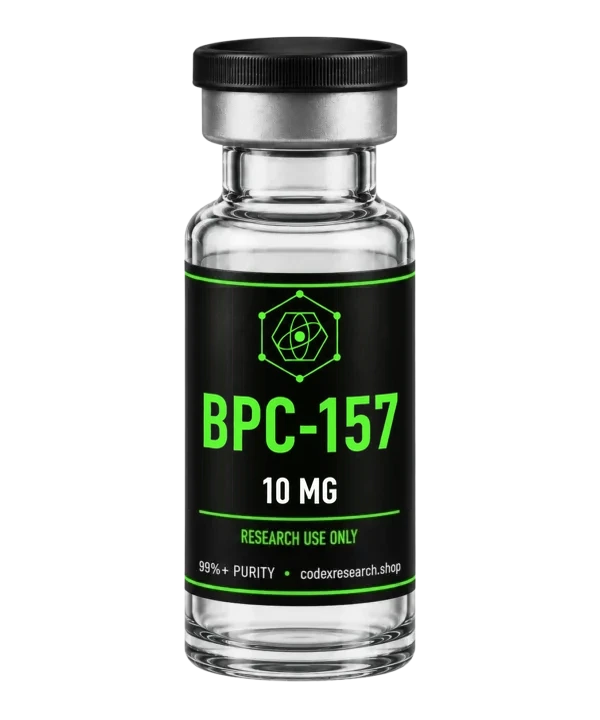
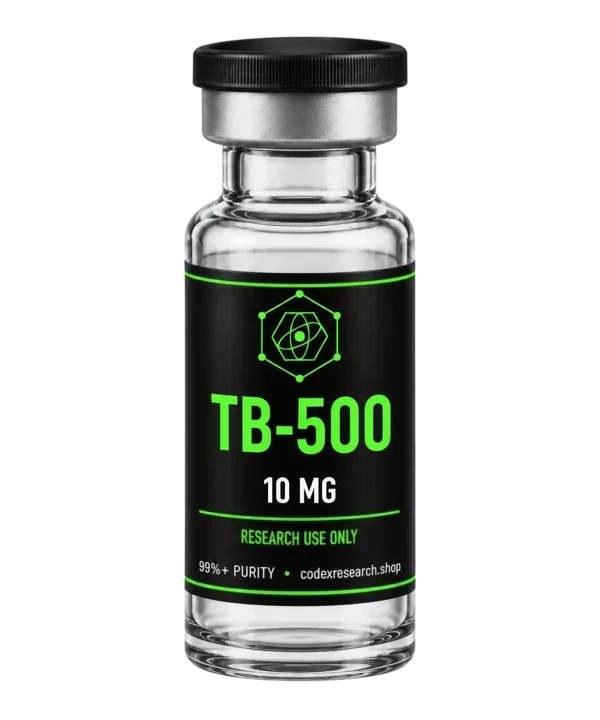
- BPC-157 is a 15-residue peptide from a protein described in gastric juice. TB-500 is a 7-residue, N-acetylated fragment of thymosin beta-4, a protein found in most cells. They are not related.
- In laboratory models, BPC-157 is studied mainly through growth-factor and angiogenic signalling, including VEGFR2-Akt-eNOS and FAK-paxillin. TB-500 is studied through actin binding, the cytoskeletal machinery cells use to move.
- Most of the biological literature cited for TB-500 concerns full-length thymosin beta-4. Direct studies of the Ac-LKKTETQ fragment are far fewer, so the source molecule matters when reading research.
- Much of the BPC-157 literature comes from a small number of research groups, largely in rodent models. Independent replication and human data are limited for both peptides.
- Both are prohibited in sport under WADA section S0, neither is FDA approved, and both should come with a lot-matched COA confirming identity by mass spectrometry and purity by HPLC.
ImportantResearch use only. This comparison describes the structure of two research peptides and how they are studied in laboratory models. It does not describe human or animal use. Codex Research compounds are not approved by the FDA and are sold for in-vitro laboratory research only.
Quick answer
BPC-157 and TB-500 are unrelated peptides that are studied in overlapping research areas. BPC-157 is a fifteen-residue peptide derived from a protein described in gastric juice. TB-500 is a seven-residue, N-acetylated fragment of thymosin beta-4, a protein found in most cells of the body.
They are often mentioned together because both appear in tissue-repair and cell-migration research. But they are studied through different mechanisms: BPC-157 mainly through growth-factor and angiogenic signalling, such as the VEGFR2-Akt-eNOS pathway [2], and TB-500 mainly through actin binding, the cytoskeletal machinery cells use to move [6, 7]. The strength and source of the evidence also differ, which matters when reading the literature.
BPC-157 and TB-500 at a glance
| BPC-157 | TB-500 | |
|---|---|---|
| Sequence | GEPPPGKPADDAGLV | Ac-LKKTETQ |
| Length | 15 amino acids | 7 amino acids (N-acetylated) |
| Approximate molecular weight | ~1,419 Da | ~889 Da |
| Origin | Partial sequence of a protein described in gastric juice | Residues 17-23 of thymosin beta-4 |
| Main research mechanism | Angiogenic and growth-factor signalling | Actin binding and cell migration |
| Key pathways in the literature | VEGFR2-Akt-eNOS, FAK-paxillin, growth hormone receptor expression | G-actin sequestration (parent protein), migration and angiogenesis models |
| Where most evidence comes from | Rodent and cell-culture studies, concentrated in a few research groups | Mostly full-length thymosin beta-4; fewer direct fragment studies |
| Current Codex purity | 99.23% by RP-HPLC | 99.06% by RP-HPLC |
| Regulatory status | Not FDA approved; WADA S0 | Not FDA approved; WADA S0 |
Where each peptide comes from
BPC-157: a fragment of a gastric protein
BPC stands for "body protection compound", the name given to a larger protein first described in human gastric juice. BPC-157 is a fifteen-amino-acid partial sequence of that protein, made synthetically for research [1, 4]. It is often described as a "stable gastric pentadecapeptide", because, unlike many peptides, it is reported to remain stable in acidic conditions, one reason it attracted so much laboratory interest.
There is no widely studied naturally circulating form of BPC-157 itself. Research uses the synthetic fifteen-residue sequence.
TB-500: a fragment of thymosin beta-4
Thymosin beta-4 (Tβ4) is a 43-amino-acid protein present in most cell types. Its best-characterized job is binding G-actin, the monomeric form of actin, and holding it in reserve [6]. When a cell moves or changes shape, it disassembles and rebuilds actin filaments, and Tβ4 helps manage the supply of building blocks. Mutational work mapped its actin-binding site to the region around residues 17 to 23 [7].
TB-500 is the name used for a synthetic peptide based on that region. When doping-control laboratories analysed products sold as TB-500, they identified the active content as Ac-LKKTETQ: residues 17 to 23 of Tβ4 with an acetyl group added to the N-terminus [8, 9]. The acetylation is not found in that position in the native protein's 17-23 segment; it is an artificial modification of the synthetic peptide.
Why the origins matter
The two peptides are not variants of each other, they do not share a sequence, and they do not act on the same target. Treating them as interchangeable "repair peptides" misses the main point of comparing them: they give researchers access to two different biological systems.
How BPC-157 is studied in the lab
Laboratory work on BPC-157 clusters around signalling pathways that control blood-vessel formation and cell migration.
Angiogenic signalling: VEGFR2-Akt-eNOS
A key mechanistic study examined BPC-157 in endothelial cell culture, the chick chorioallantoic membrane (CAM) assay and a rat hind-limb model. In human vascular endothelial cells it was associated with increased mRNA and protein expression of vascular endothelial growth factor receptor 2 (VEGFR2), though not of VEGF-A itself, together with VEGFR2 internalization and time-dependent activation of the VEGFR2-Akt-eNOS pathway [2]. Blocking endocytosis suppressed both the pathway activation and the increase in endothelial tube formation, which points to receptor internalization as part of the mechanism.
Fibroblast migration: FAK-paxillin
In tendon fibroblasts cultured from rat Achilles tendon, BPC-157 was reported to accelerate outgrowth from tendon explants and increase cell migration and spreading in a concentration-dependent way [1]. It did not directly change proliferation, but it improved cell survival under oxidative (H2O2) stress. The authors linked the migration effects to activation of the FAK-paxillin pathway, a central route by which cells sense and respond to their surroundings during movement.
Growth hormone receptor expression
A follow-up study from the same group reported that BPC-157 increased growth hormone receptor expression in tendon fibroblasts at both mRNA and protein level [3]. This is a third, separate line of evidence, and a reminder that BPC-157 has been associated with several signalling systems rather than one clean target.
The broader BPC-157 literature
Reviews describe a large body of rodent work across tendon, ligament, muscle, bone and gastrointestinal models [4, 5]. Two features of that literature are worth knowing:
- Concentration of authorship. A substantial share of published BPC-157 studies comes from a small number of research groups. Independent replication is the usual test of a finding, and for BPC-157 it is thinner than for many established compounds.
- Preclinical scope. The evidence is overwhelmingly from cell culture and animal models. Reviews themselves note the gap between this preclinical base and controlled human data [5].
How TB-500 is studied in the lab
Actin binding: the core mechanism
TB-500's sequence corresponds to the actin-binding region of Tβ4 [7]. The parent protein is described as the major actin-sequestering molecule in many eukaryotic cells [6], so the relevant research questions concern cytoskeletal dynamics: how cells regulate their pool of G-actin, extend leading edges and migrate. Typical in-vitro work includes actin-polymerization and G-actin binding assays and scratch-wound migration assays.
The parent protein carries most of the evidence
Much of the biological literature cited for TB-500 concerns full-length thymosin beta-4, not the seven-residue fragment. This is the biggest difference in how you should read the two bodies of research. Foundational work, for example, reported that Tβ4 increased re-epithelialization and was angiogenic in a rat full-thickness dermal model [10], and a broad review covers its roles in migration, angiogenesis and repair [6].
There is direct evidence that the actin-binding region carries some of that activity. One study reported that both Tβ4 and a synthetic peptide containing its actin-binding domain promoted dermal repair in two mouse models with slowed tissue repair [11]. But studies of the exact Ac-LKKTETQ molecule are far fewer than studies of the whole protein.
When you read a source about TB-500, check which molecule it describes. A finding about the 43-residue protein cannot automatically be transferred to the 7-residue fragment.
Analytical and doping-control work
A separate strand of TB-500 literature is analytical. Laboratories developed LC-MS methods to identify Ac-LKKTETQ and its metabolites in equine urine and plasma, because the product had appeared in horse racing [9], and confirmed the fragment's identity by synthesizing it and comparing it to seized material [8]. This work is useful to researchers for a different reason: it documents exactly what TB-500 is chemically, which helps when checking a certificate's identity line.
Mechanisms side by side
| Question | BPC-157 | TB-500 |
|---|---|---|
| What does it bind or act through? | No single confirmed receptor; associated with VEGFR2, FAK-paxillin and GH receptor expression | Actin-binding motif of thymosin beta-4 |
| What cellular process is central? | Growth-factor and angiogenic signalling | Cytoskeletal reorganization and cell migration |
| Typical in-vitro assays | Endothelial tube formation, transwell and scratch migration, Western blot for pathway activation | Actin-polymerization and G-actin binding, scratch-wound migration, endothelial assays |
| Common model systems | Tendon fibroblasts, endothelial cells, rodent models | Keratinocytes, endothelial cells, rodent dermal models (mostly with Tβ4) |
The two columns rarely overlap in mechanism, which is exactly why the peptides are compared. In a migration assay, for example, BPC-157 is studied for how it changes signalling upstream of movement, while TB-500 is studied for the actin machinery that executes it.
Evidence quality compared
| Evidence feature | BPC-157 | TB-500 |
|---|---|---|
| Volume of studies | Large, mostly preclinical | Large for thymosin beta-4; small for the fragment |
| Molecule studied | The same 15-residue sequence sold for research | Mostly the parent protein, not Ac-LKKTETQ |
| Independence of sources | Concentrated in a few research groups | Broader authorship for Tβ4 |
| Controlled human data | Very limited | Very limited for the fragment |
| Analytical characterization | Standard peptide methods | Well documented through doping-control work |
Neither peptide has the kind of evidence base that comes with an approved compound. Both are research chemicals, and their literature reads best as a set of laboratory hypotheses still being tested.
A short history of each name
Part of the confusion around these two peptides comes from their names, neither of which describes what the molecule is.
| BPC-157 | TB-500 | |
|---|---|---|
| What the name refers to | "Body protection compound", plus a number used in the original research | A product name, not a scientific designation |
| How the molecule is described in papers | "Stable gastric pentadecapeptide BPC 157" | "N-terminal acetylated 17-23 fragment of thymosin beta 4" or "Ac-LKKTETQ" |
| Where the name first appeared | Research literature from the 1990s onward [4] | Veterinary and commercial products, later characterized by doping-control labs [8, 9] |
| Alternative names | BPC 157, PL 14736 in some studies | Thymosin beta-4 fragment, Tβ4 (17-23) |
As a result, searches and citations get mixed up. BPC-157 is at least a consistent name for one sequence. TB-500 has been used for more than one molecule, which is why this guide keeps returning to the identity line on the certificate.
Designing a study that compares the two
Because the peptides act through different systems, a well-designed comparison measures endpoints that can separate them. A few principles from general peptide research practice apply:
- Match the readout to the mechanism. Pathway assays such as Western blots for phosphorylated Akt, eNOS or FAK speak to BPC-157's reported signalling. Actin-polymerization and G-actin binding assays speak to TB-500's. A migration assay alone cannot tell the two apart.
- Compare on a molar basis, not by weight. BPC-157 is roughly 1.6 times the molecular weight of the TB-500 fragment, so equal masses contain different numbers of molecules. Expressing concentrations in molar units keeps comparisons fair.
- Run each peptide alone before combining them. If a study uses both together, or a blend such as Wolverine, single-peptide arms are what allow any effect to be attributed.
- Use the same lot throughout. Lot-to-lot differences in purity, counter-ion and peptide content can be larger than the effect being measured. A lot-matched certificate for each vial makes that traceable.
- Record the analytical data with the results. The lot number, purity and identity confirmation belong in the study record, so the material can be described exactly when results are reported.
None of this is specific to these two peptides, but the contrast between them makes it especially important. Two compounds that work through unrelated mechanisms can produce similar-looking results in a broad assay for completely different reasons.
Testing and identity: what to check on each COA
Because the two peptides are so different in size, mass spectrometry confirms identity easily, as long as the lab runs it.
| Check | BPC-157 | TB-500 |
|---|---|---|
| Expected mass by LC-MS | ~1,419 Da | ~889 Da (acetylated fragment) |
| Purity method | RP-HPLC against a stated specification | RP-HPLC against a stated specification |
| Current Codex lot | KIZN072426 | KIZN072426 |
| Current Codex purity | 99.23% | 99.06% |
| Identity on current Codex COA | Confirmed by LC-MS | Confirmed by LC-MS |
TB-500 deserves one extra check. Because some sources use the name for full-length thymosin beta-4, which weighs roughly 4.9 kDa, the observed mass on the identity line tells you which molecule you have. A result near 889 Da indicates the acetylated fragment; a result near 4.9 kDa indicates the full protein.
For both peptides, look for the lot number, an identity method, a purity method with a specification, an assay or potency figure, and contaminant results such as endotoxin. Our guides on third-party testing and HPLC vs mass spec explain each line, and what endotoxin testing means covers the most common contaminant test.
Stability and handling as research materials
Both peptides are supplied as lyophilized powder and are hygroscopic, so moisture, heat and light are the main storage risks for a sealed vial. Their chemistry differs in ways that matter for degradation:
- BPC-157 contains two aspartic acid residues and several prolines. Aspartic acid is a known site for isomerization and backbone cleavage under some conditions.
- TB-500 contains a C-terminal glutamine, which can undergo deamidation, and two lysines that can be sites of modification.
Neither vulnerability is unusual, and both are why stability studies and cold, dry storage matter. Our guide to peptides in transit, heat, cold and storage explains how temperature affects lyophilized material.
Regulatory status
Neither BPC-157 nor TB-500 is approved by the FDA for human or veterinary use. Both are research chemicals intended for in-vitro laboratory work, and Codex Research sells them on that basis only. See what research use only means for what that designation covers.
In sport, the World Anti-Doping Agency's Prohibited List includes section S0, which prohibits any pharmacological substance without current approval for human therapeutic use and names BPC-157 as an example [12]. TB-500 has been the subject of dedicated doping-control methods in equine racing [9].
Common misconceptions
"TB-500 is thymosin beta-4." It is a seven-residue fragment of it. Much of the cited research concerns the full protein.
"BPC-157 and TB-500 do the same thing." They come from unrelated proteins and are studied through different mechanisms, growth-factor signalling versus actin binding.
"BPC-157 has one known receptor." No single receptor has been confirmed. It has been associated with several pathways, including VEGFR2, FAK-paxillin and growth hormone receptor expression.
"A purity number confirms the compound." Purity by HPLC measures how much of the material is the main component, not what that component is. Identity needs mass spectrometry.
Blends that contain both
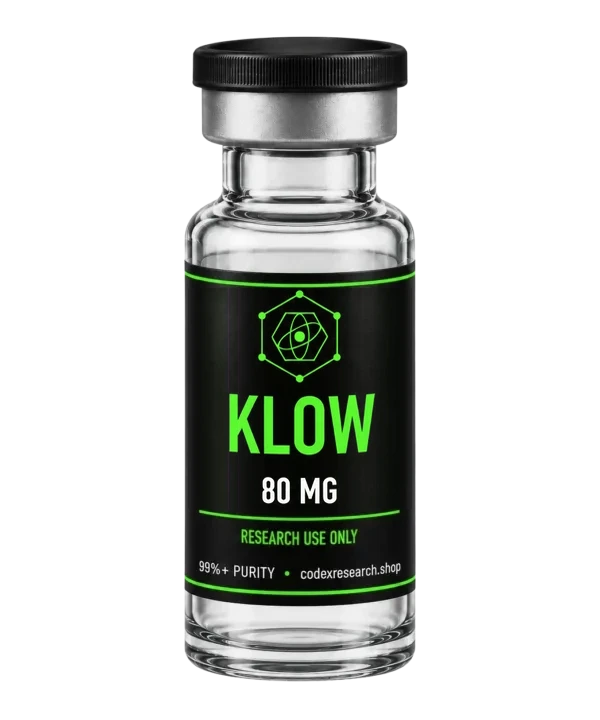
Because they are studied in complementary pathways, BPC-157 and TB-500 are often combined in research blends. Codex Research supplies three: Wolverine, which pairs the two; Glow, which adds GHK-Cu; and Klow, which adds GHK-Cu and KPV. Our Glow vs Klow comparison breaks down how those two blends differ. For attribution, many protocols run the single peptides alongside any blend.
What this comparison does not tell you
This guide describes structure, origin, the research literature and testing. It does not describe how either peptide behaves in any human or animal, establish safety or effectiveness for any purpose, or replace the certificate for the specific lot you hold. Research compounds are not approved by the FDA for human or veterinary use.
How Codex Research documents BPC-157 and TB-500
Every Codex BPC-157 and TB-500 lot ships with a lot-matched certificate of analysis from an independent laboratory, published on the product page, with identity by LC-MS, purity by RP-HPLC and contaminant testing. Match the lot number on the page to your vial before use. If you need the full report for a specific lot, contact info@codexresearch.shop. For a deeper look at one of the two, read What is BPC-157?.
Frequently asked questions
What is the difference between BPC-157 and TB-500?
Is TB-500 the same as thymosin beta-4?
What is the sequence of BPC-157?
What is the sequence of TB-500?
Which is larger, BPC-157 or TB-500?
What pathways is BPC-157 studied in?
What pathways is TB-500 studied in?
Why are BPC-157 and TB-500 often studied together?
How strong is the research on each peptide?
Are BPC-157 and TB-500 FDA approved?
Are BPC-157 and TB-500 banned in sport?
How do you confirm the identity of BPC-157 or TB-500?
What should a BPC-157 or TB-500 COA show?
Which blends contain both peptides?
How should BPC-157 and TB-500 be stored as research materials?
References
- Chang CH, Tsai WC, Lin MS, Hsu YH, Pang JH. The promoting effect of pentadecapeptide BPC 157 on tendon healing involves tendon outgrowth, cell survival, and cell migration. J Appl Physiol. 2011;110(3):774-780.
- Hsieh MJ, Liu HT, Wang CN, et al. Therapeutic potential of pro-angiogenic BPC157 is associated with VEGFR2 activation and up-regulation. J Mol Med. 2017;95(3):323-333.
- Chang CH, Tsai WC, Hsu YH, Pang JH. Pentadecapeptide BPC 157 enhances the growth hormone receptor expression in tendon fibroblasts. Molecules. 2014;19(11):19066-19077.
- Seiwerth S, Rucman R, Turkovic B, et al. BPC 157 and standard angiogenic growth factors. Gastrointestinal tract healing, lessons from tendon, ligament, muscle and bone healing. Curr Pharm Des. 2018;24(18):1972-1989.
- Gwyer D, Wragg NM, Wilson SL. Gastric pentadecapeptide body protection compound BPC 157 and its role in accelerating musculoskeletal soft tissue healing. Cell Tissue Res. 2019;377(2):153-159.
- Goldstein AL, Hannappel E, Kleinman HK. Thymosin β4: actin-sequestering protein moonlights to repair injured tissues. Trends Mol Med. 2005;11(9):421-429.
- Van Troys M, Dewitte D, Goethals M, et al. The actin binding site of thymosin beta 4 mapped by mutational analysis. EMBO J. 1996;15(2):201-210.
- Esposito S, Deventer K, Goeman J, Van der Eycken J, Van Eenoo P. Synthesis and characterization of the N-terminal acetylated 17-23 fragment of thymosin beta 4 identified in TB-500, a product suspected to possess doping potential. Drug Test Anal. 2012;4(9):733-738.
- Ho EN, Kwok WH, Lau MY, et al. Doping control analysis of TB-500, a synthetic version of an active region of thymosin β4, in equine urine and plasma by liquid chromatography-mass spectrometry. J Chromatogr A. 2012;1265:57-69.
- Malinda KM, Sidhu GS, Mani H, et al. Thymosin β4 accelerates wound healing. J Invest Dermatol. 1999;113(3):364-368.
- Philp D, Badamchian M, Scheremeta B, et al. Thymosin β4 and a synthetic peptide containing its actin-binding domain promote dermal wound repair in db/db diabetic mice and in aged mice. Wound Repair Regen. 2003;11(1):19-24.
- World Anti-Doping Agency. The Prohibited List, section S0: Non-approved substances.









 From lab to your door